

Laborers Local 110 Builds More Than Projects: Careers, Community, and the American Dream
Above a doorway inside Gateway Food Pantry hangs a simple sign.
“Organized Labor Builds America ...and Built this Food Pantry.”
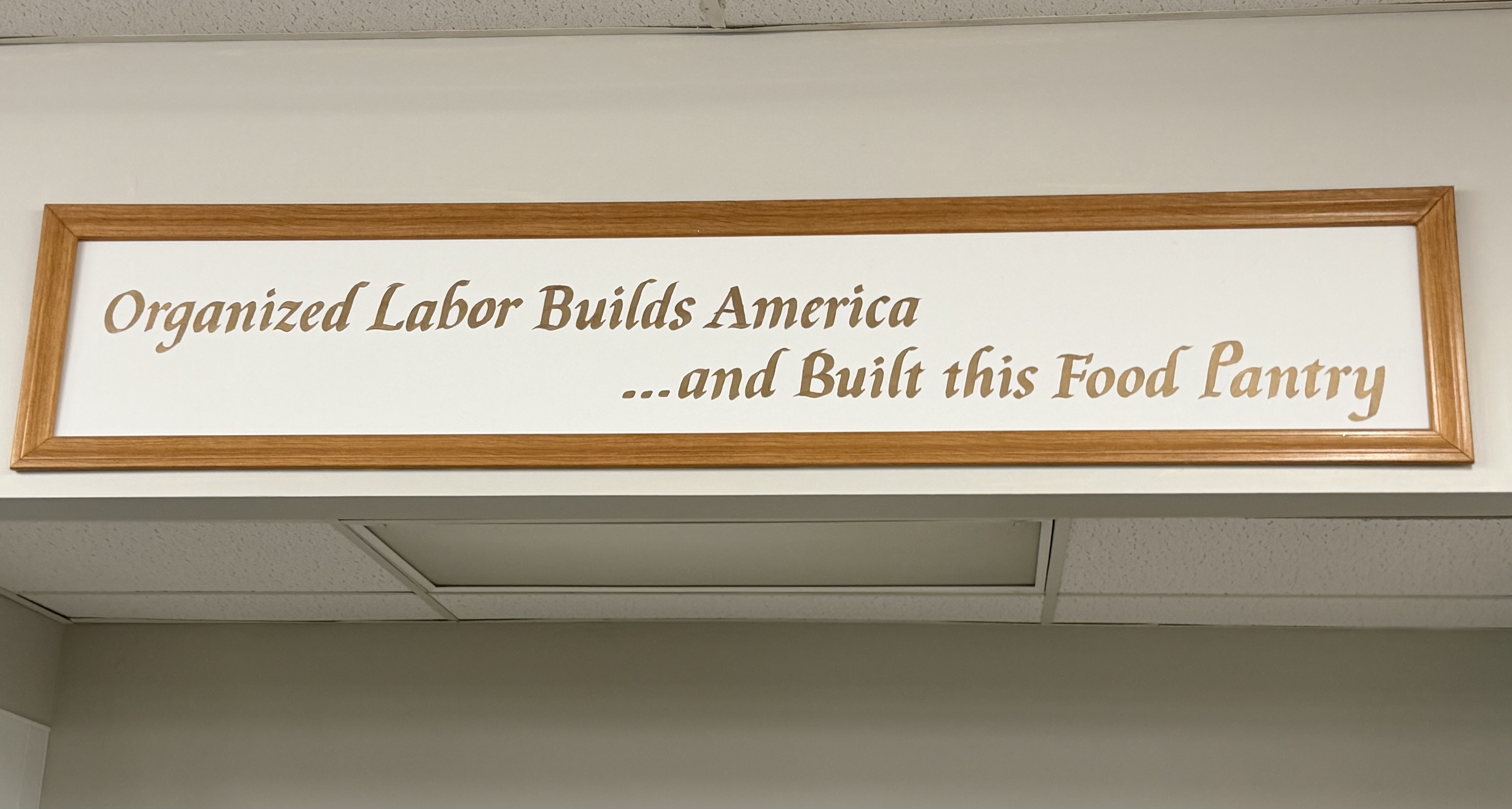
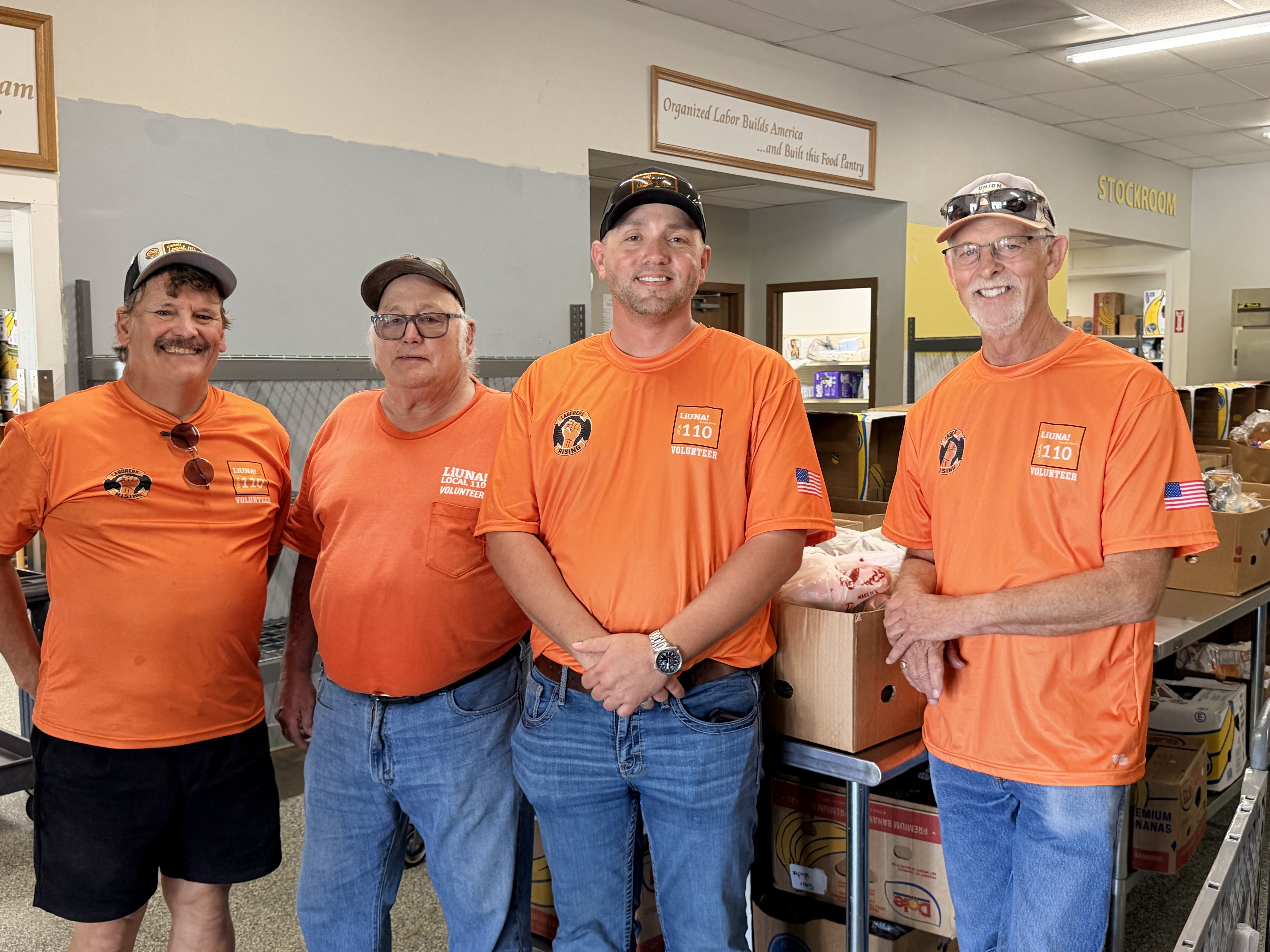
On a late summer morning ahead of Labor Day, that message was more than a reminder of the building’s history. Members of Laborers Local 110 stood beneath it in bright orange volunteer shirts, surrounded by carts, boxes, and food being prepared for Jefferson County families.
The volunteers were there as part of Local 110’s Volunteer Organizing Committee, a group led by Business Agent and Executive Board member Colby Erhart. Erhart became leader of the committee in early 2024 with a mission centered on community service and helping members become more involved in the places where they live.
What was originally envisioned as only a handful of volunteer projects each year quickly became something much larger.
Erhart told The Jefferson Review the Volunteer Organizing Committee has participated in nearly 50 service projects since its beginning, sometimes completing projects twice a month rather than the four annual events initially imagined.
“We’ve got a solid group of men and women, and we’re very passionate about what we do,” Erhart said. “I love this job. I love being the chairman of this committee.”
The work has ranged from serving people through food programs to assisting organizations in underserved parts of the St. Louis region. Erhart said Local 110 members living in Jefferson County have also enthusiastically participated.
“They live in this county, and they love working out here.” he said. “They’re great brothers and sisters who are always eager to help out in the community."
More Than a Paycheck
For Clint McBride, Government Affairs Director for Laborers Local 110, that community involvement is connected to a larger idea about what organized labor is supposed to accomplish.
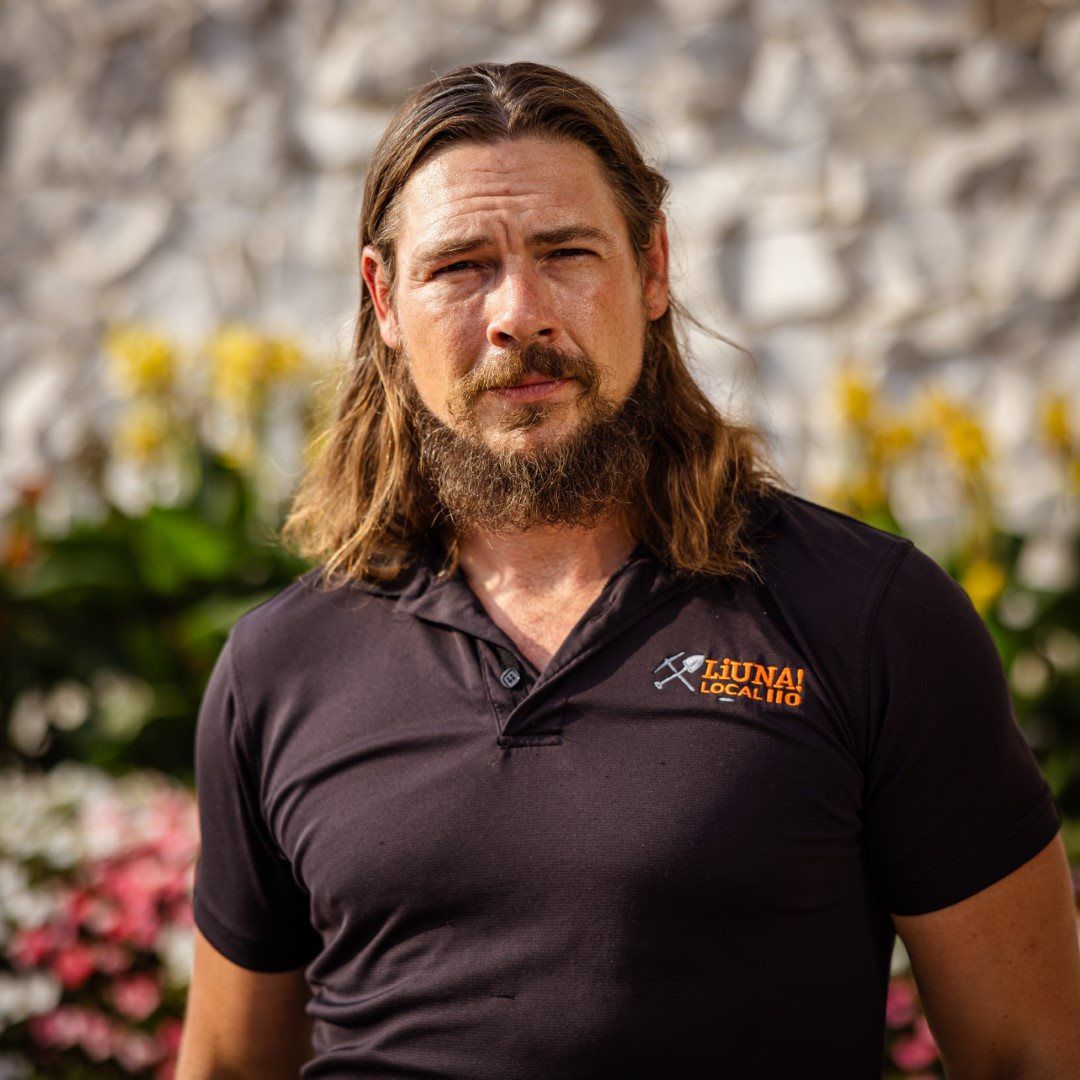
Local 110 represents more than 1,600 members who live in Jefferson County alone.
“Local 110 laborers, in general, we’re always the first guys and girls on the job site, and the last guys and girls on the job site,” McBride said.
From demolition and environmental abatement at the beginning of a project to the final cleanup before a building opens its doors, McBride said laborers can remain part of a project from start to finish.
But McBride said the union’s goal is bigger than filling jobs.
“We want to provide good livelihoods for as many people as we possibly can,” McBride said. “That is our goal at the end of the day.”
For McBride, the difference between a job and a career is more than a talking point. It is a philosophy he returns to often, whether he is speaking with Local 110 members, elected officials, contractors, or anyone trying to understand the role organized labor plays in a community. A job fills a position, he argues, but a career should give a worker the training, stability, benefits, safety, and opportunity to build a future.
“A job is something that you ask somebody to do, but oftentimes you don’t provide them with the training and the skills necessary to keep them there,” McBride said.
That difference, in McBride’s view, reaches beyond the individual worker. Careers create people who can support families, remain in their communities, spend money locally, and eventually retire with some measure of security. But building that kind of career requires more than simply putting someone on a jobsite. It requires training, mentorship, and a long-term investment in the worker.
For a laborer, that training can involve everything from concrete and road construction to asbestos and lead abatement. Local 110 says its training center offers more than 60 courses covering general construction, specialized skills, environmental work, and health and safety.
The apprenticeship system also combines classroom instruction with learning directly from experienced journey-level workers.
McBride said those relationships matter because construction sites can change in seconds.
“Things happen very, very fast,” he said. “If you’re not used to being on a job site, you don’t understand how fast things can happen and how big those consequences can be.”
McBride said the real purpose of workplace safety is simple: every worker should be able to finish the day and go home to their family. Wages and benefits matter, he said, but none of them mean much if the worker does not make it home safely.
“The best wages, the best benefits, you can have the best things, and it doesn’t matter if you don’t get to go see your family at night.”
Built on Service and Community
That concern for one another extends beyond the jobsite.
When asked about the relationships formed inside organized labor, McBride put it simply.
“It is a brother and sisterhood.”
That idea was visible at Gateway Food Pantry.
The pantry told The Jefferson Review that Local 110 has supported its work for years. For the Labor Day distribution, volunteers helped provide food that families could use for a traditional holiday cookout, including burgers.
The pantry’s philosophy is centered on dignity and respect, including making holidays feel like holidays for families who may be struggling financially. Staff described food as more than a physical need. Not knowing where the next meal will come from can create enormous stress, while something as ordinary as a birthday cake, Thanksgiving turkey, or Labor Day cookout can help a family feel normal during a difficult season.
The connection between Local 110 and the pantry stretches back years. Local labor organizations and contractors helped renovate the Arnold food pantry building, contributing labor, materials, and financial support, and Local 110 has continued supporting the organization since.
For McBride, that is part of what labor means when union members talk about improving conditions for working people. The responsibility union members feel toward one another, he said, does not stop at the union hall or the jobsite. It can extend into the communities where they live, work, raise families, and volunteer.
“When we fight for things, we are fighting for everyone and not just for our members,” McBride said. “We do fight for our members, but a rising tide raises all ships.”
The Things Americans Can Take for Granted
That idea, that gains made for workers can spread far beyond union membership, is also part of the history McBride believes Labor Day should remember.
That broader impact can be seen in some of the most familiar parts of American working life. Organized labor was among the forces that spent decades pushing for the rights of the working people. The eight hour day became a central demand of the labor movement in the 19th century, and the Fair Labor Standards Act later established federal overtime requirements and restrictions on child labor.
Workplace safety followed a similar path. Organized labor pushed for stronger protections for workers on dangerous jobs, and Congress eventually passed the Occupational Safety and Health Act in 1970, creating the federal system of workplace safety standards that followed.
Today, collective bargaining still centers on many of those same basic questions: what a worker earns, how many hours they work, what protections they have on the job, what benefits come with that work, and whether they can build a stable life from it.
“When we celebrate Labor Day, we celebrate the accomplishments of those giants, those shoulders we stand on that came before us. Their contributions to the working class. Their contributions to making sure that we have child labor laws now. Their contributions in making sure that we have workplace safety, that we have weekends and overtime, that we have an eight-hour workday, and that we have holidays to go and spend a couple of hours with your family, because not every day can be a workday.”
Preparing the Next Generation
Local 110 is also looking toward what the next generation of skilled labor will look like.
Technology is changing construction, from drones used to examine or survey jobsites to emerging wearable equipment that could help workers safely perform physically demanding tasks.
McBride believes apprentices entering the trades today may see some of the greatest technological changes the construction industry has experienced.
At the same time, apprenticeships provide an alternative route for young adults who may not want to begin their careers with four years of college debt.
“I think that what we provide is a unique opportunity for people to earn while they learn,” McBride said.
There are college opportunities attached to that training as well. Jefferson College recognizes Construction Craft Laborer apprenticeships and can award apprenticeship completers up to 45 college credit hours at no cost toward an associate degree program. Local 110 also promotes a partnership through St. Louis Community College that allows eligible laborer apprentices and graduates to work toward a two-year Skilled Trades Associate degree.
Those programs reinforce the larger goal: not simply placing someone on a construction site tomorrow, but giving that worker skills that can support a family for decades.
And that, to McBride, connects directly to what Labor Day is meant to celebrate. The generations before them fought to make work safer, more secure, and more rewarding. The next generation now has the opportunity to build on what they left behind.
“In a nutshell, what we should be celebrating on Labor Day really is the American dream,” McBride said. “The American dream is to go and to work hard, but to get what you are owed, what you deserve for that work.”
For Local 110, that dream is not simply about how much a person can accumulate. It is about whether someone willing to work hard can earn a good living, support a family, build a future, and eventually retire with dignity.
Labor’s Work Continues Beyond the Jobsite
The work of organized labor today is not always as visible as the picket lines, marches, and public demonstrations associated with earlier generations. Much of it now also happens in meetings with elected officials, conversations over legislation, and campaigns surrounding laws that unions believe will affect working families.
McBride’s role with Local 110 includes that kind of advocacy, and he pointed to Amendment 6 on Missouri’s November ballot as one current example. The Missouri Supreme Court ruled Sept. 3 that the citizen initiated amendment will appear before voters on Nov. 3. If approved, it would make it substantially more difficult for the General Assembly to change or repeal laws approved through the citizen initiative process, generally requiring support from 80 percent of both legislative chambers and a statewide vote.
McBride supports the amendment and views it as a way of protecting decisions already made by Missouri voters. During his conversation with The Jefferson Review, he specifically pointed to past battles over right to work and the voter approved earned paid sick leave requirement as examples of why organized labor has an interest in the proposal. In his view, voters should have the final say before lawmakers undo something citizens have approved at the ballot box.
For McBride, that work is another extension of the same role unions have played for generations: representing workers not only at the jobsite, but wherever decisions are being made that could affect their wages, benefits, safety, and ability to build a stable life.

Explore a Career with Laborers Local 110
Interested in a career in the skilled trades? Learn more about apprenticeship and training opportunities with Laborers Local 110, follow the union’s work in our communities, and explore the careers, benefits, and resources available to members.