

Hillsboro R-3 Board Approves $1.39 Tax Levy Proposal for November Ballot
Proposition H would fund school security, building projects, student programs, and district employees beginning in 2027.
By The Jefferson Review Staff
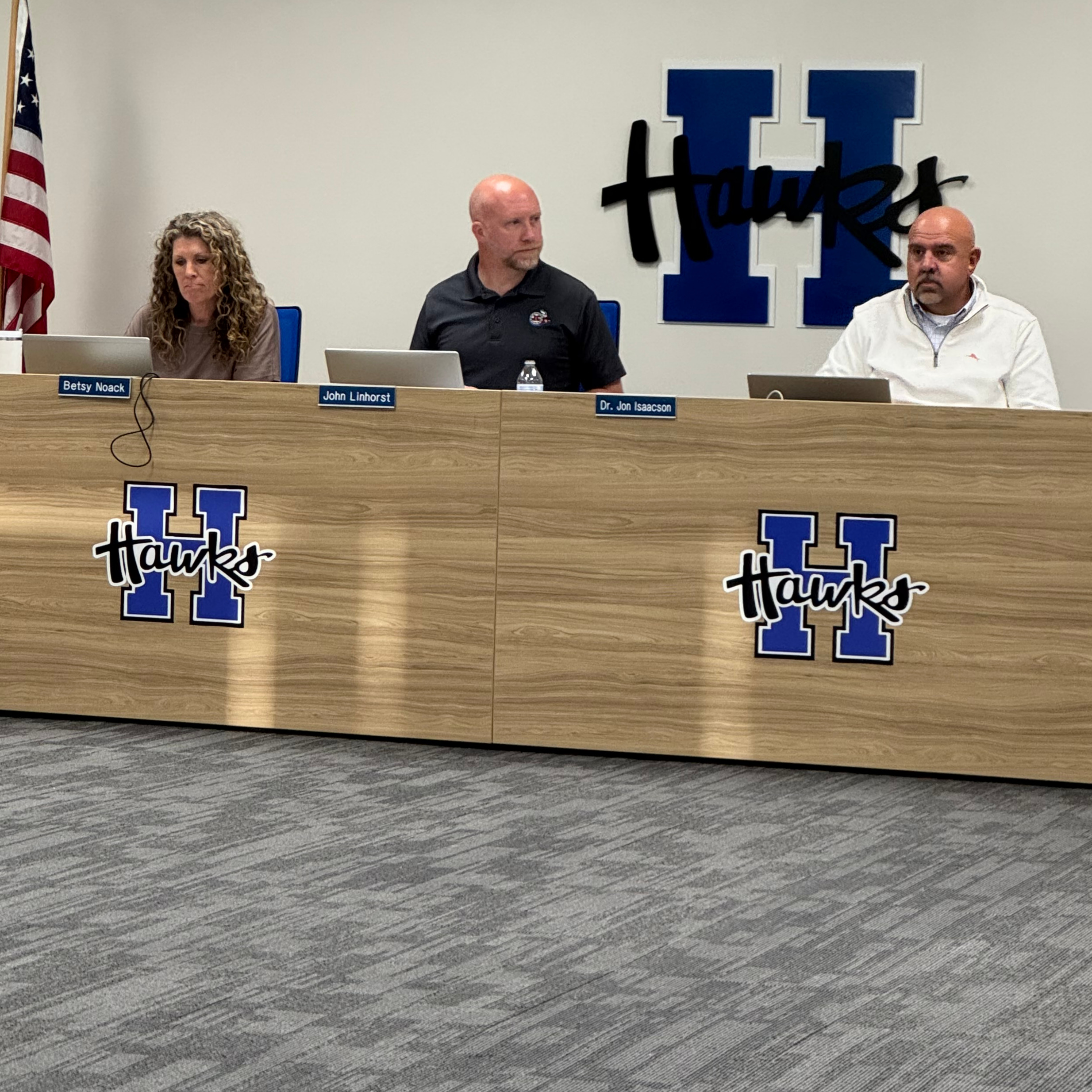
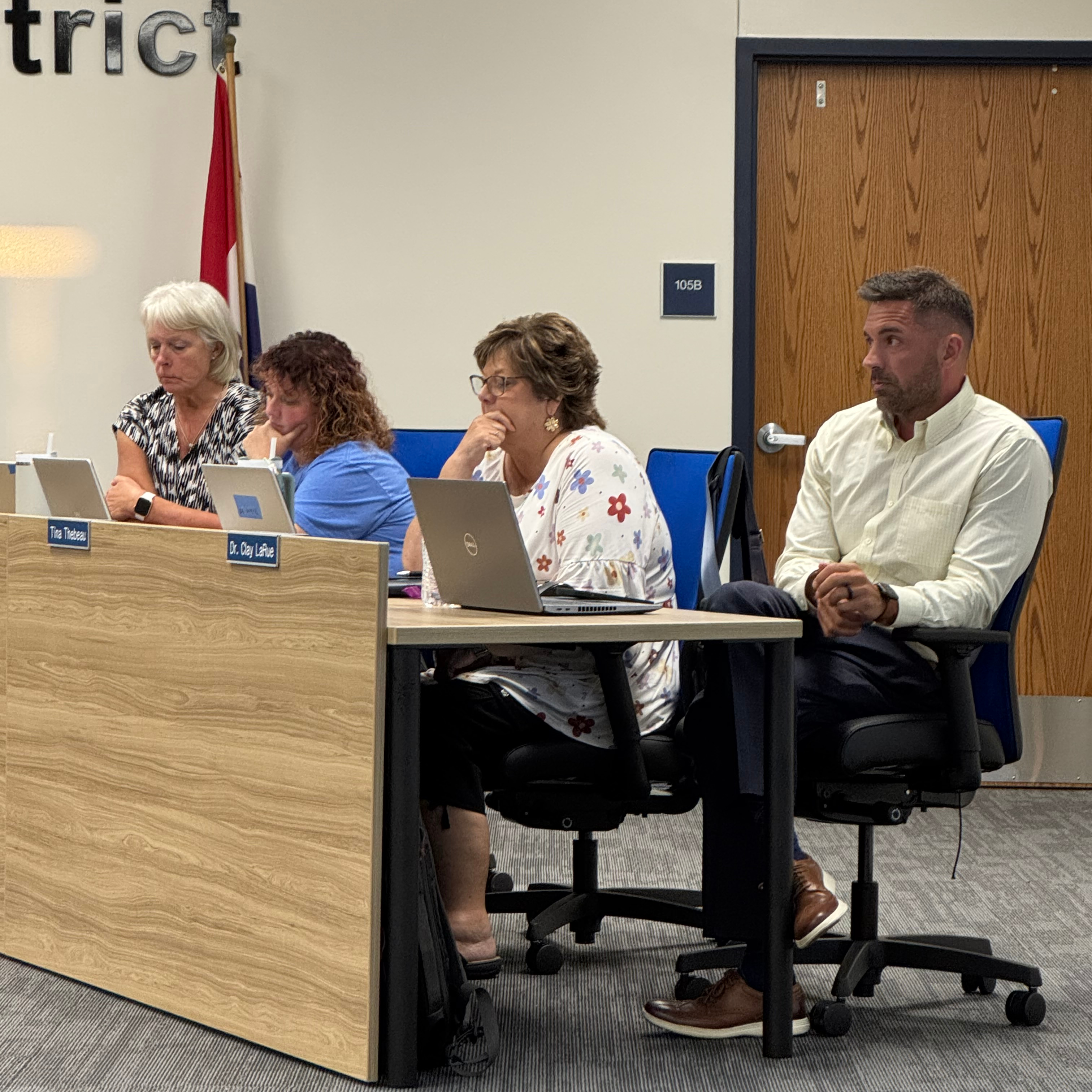
The Hillsboro R-3 Board of Education voted Thursday, August 20, to place a $1.39 operating tax levy increase on the November 3 ballot.
The proposal, called Proposition H, would provide money for school security, building improvements, educational programs, and district employees. If voters approve it, the higher tax rate would not take effect until 2027.
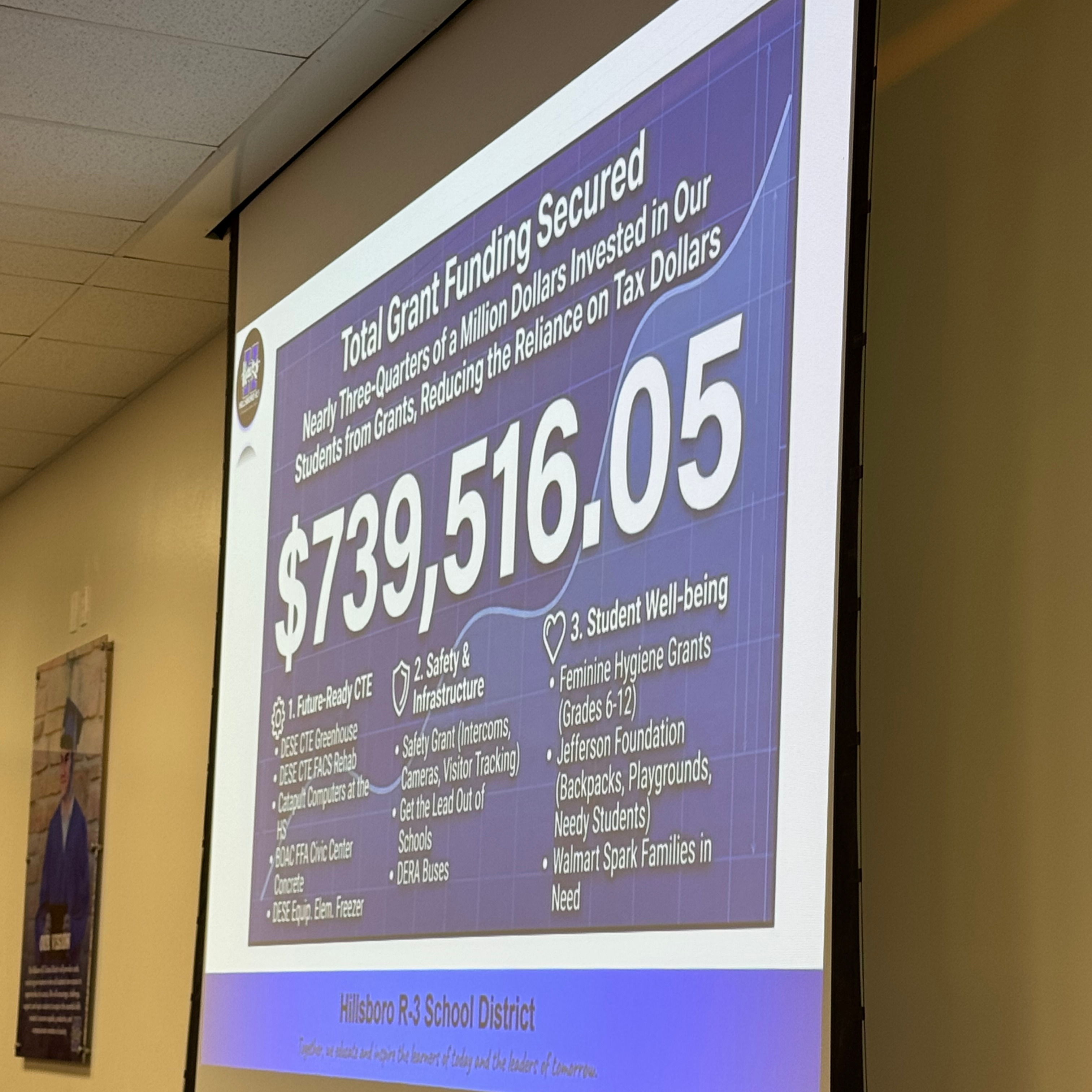
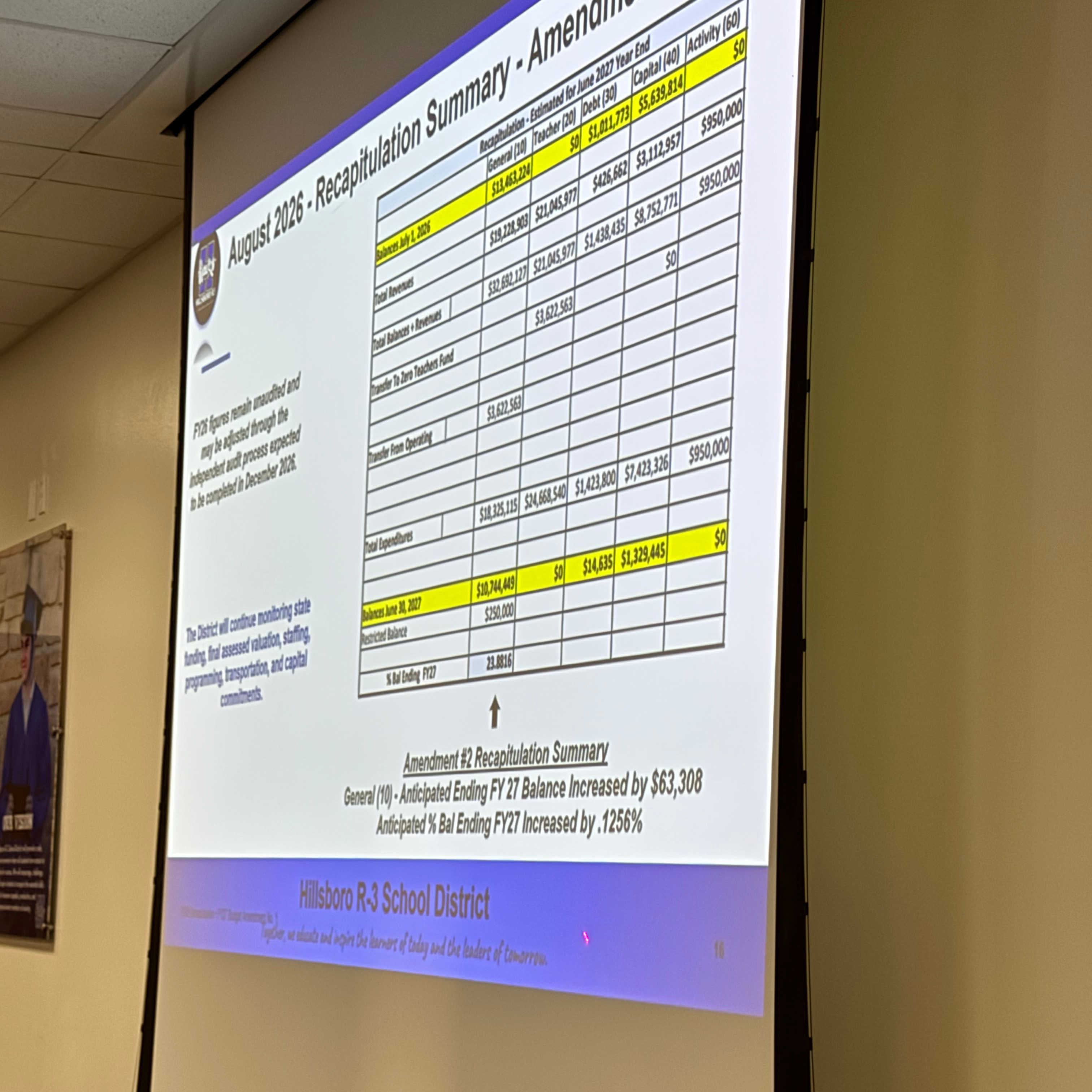
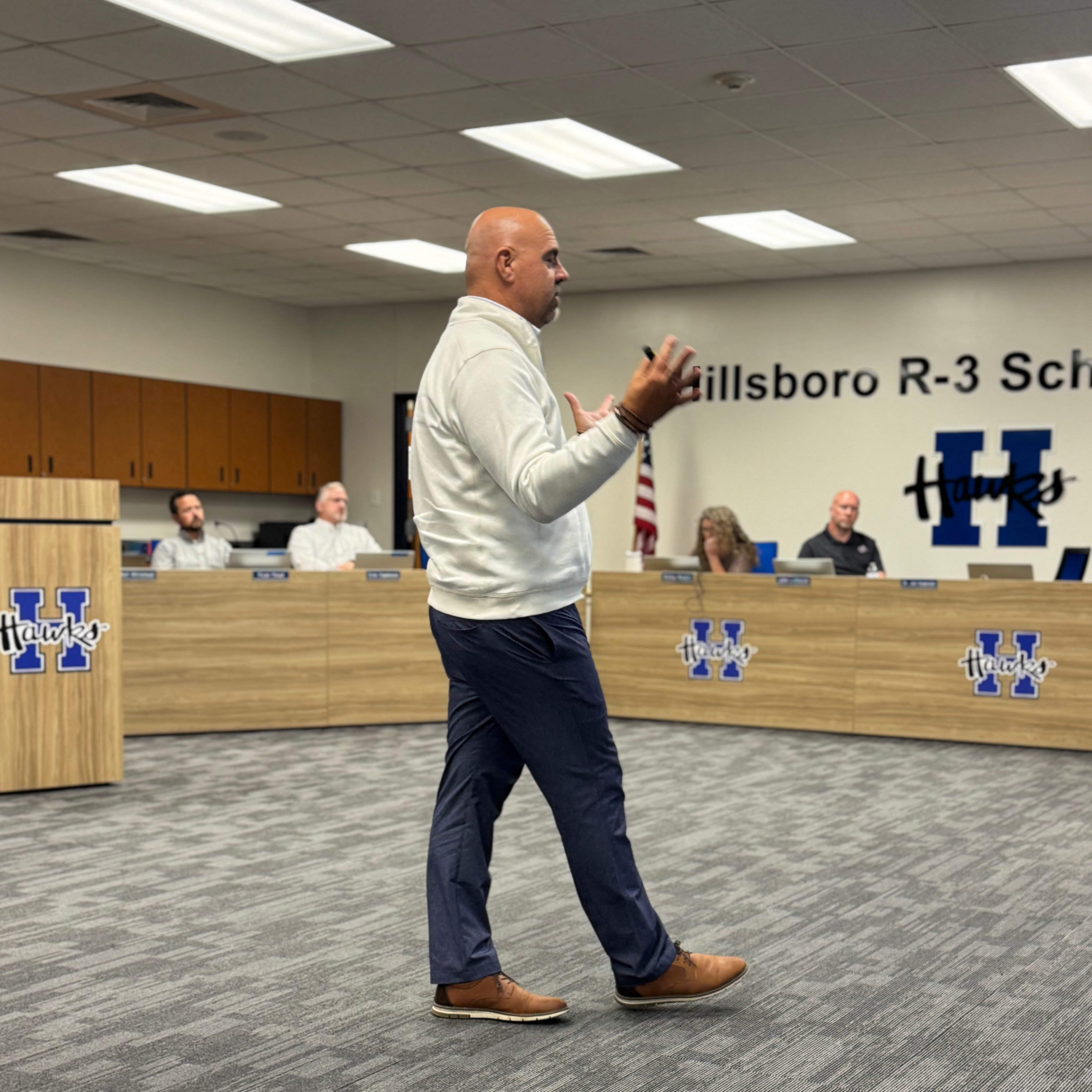
Superintendent Dr. Jon Isaacson said the district first expected to ask voters for an increase of about $1 to pay for building projects. He later recommended increasing the request to $1.39 because the district expects to receive less money from the state.
According to Isaacson, Hillsboro received about $713,000 less in state funding than expected last year. The district now expects the combined loss over two years to reach about $1.5 million.
Isaacson said the district could ask voters to fund only the building projects. However, that could allow Hillsboro to build new facilities while later being forced to cut programs, reduce staffing, or increase class sizes.
“The trust of our community is way too precious.”
Dr. Jon Isaacson
He said parents might vote for the proposal because they support safer schools and better facilities. Those same parents could then become frustrated if the district announced cuts to their children’s programs a few months later.
The proposed increase is meant to replace the lost state funding, protect current programs, support employee salaries, and pay for the first phase of the district’s facility plan.
What Proposition H Would Fund
The proposed ballot language lists several projects and improvements, including:
- A secure entrance at Hillsboro High School
- Improved security cameras and secure doors throughout the district
- Safer playgrounds and better access for people with disabilities
- Road, parking, and traffic improvements
- Safer student drop-off and pickup areas
- Improvements to athletic facilities
- Improvements to fine arts and performing arts facilities
- New high school classrooms for band, choir, and drama
- More classrooms and shop space for career and technical education
- General operating expenses needed to protect programs and staffing
|
|
|
|
Isaacson called Hillsboro High School the district’s most vulnerable building. The school was built in 2000, and its main entrance was not designed to meet many of today’s school safety standards.
The proposal would also pay for better cameras, key-card access, and safer traffic patterns around the schools.
Other plans include softer playground surfaces, access improvements for people with disabilities, more space for career and technical education, and larger fine arts classrooms.
A proposed career and technical education building could include space that may serve as a storm shelter for students and possibly the surrounding community. The planned high school fine arts space could also provide storm protection on that side of campus.
Isaacson stressed that the drawings shown during the meeting were early ideas. They were not final building plans.
Board Discusses Living Within the District’s Means
One of the main questions from the board focused on an argument often made when a school district asks for a tax increase: Why can the district not live within its current means?
The board member noted that Hillsboro has lowered central office spending, adjusted staffing as enrollment changed, and carefully managed its money for several years.
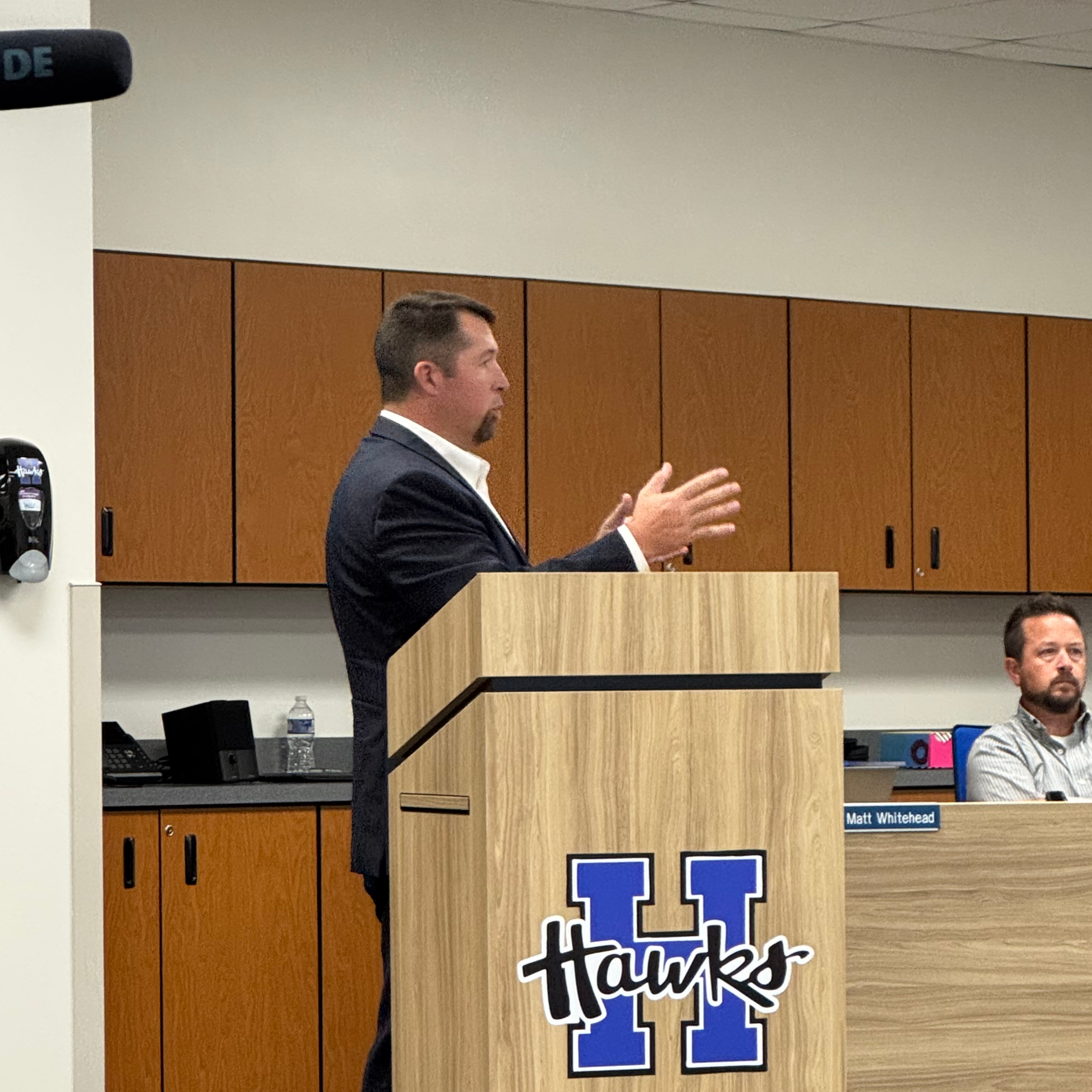
Isaacson said the district must live within its means whether Proposition H passes or fails. The larger question, he said, is what programs, facilities, and opportunities those means will allow Hillsboro to provide.
He compared the decision to a family shopping for a vehicle. In his example, one buyer enters a dealership with about $48,700 to spend, while another has about $34,300.
Both families can buy a vehicle and stay within their budgets. However, the salesperson will not show them the same vehicles. The buyer with less money may have to accept fewer features, higher mileage, or other tradeoffs.
Isaacson said school funding works in much the same way. Hillsboro can continue operating with the money it receives, but a lower tax rate limits what it can provide compared with nearby districts that collect more local money.
He said residents sometimes ask why Hillsboro does not have the same buildings, fields, or programs found in other school districts. At the same time, some of those residents believe Hillsboro should continue operating with less tax money.
“We absolutely will. But what kind of car do you want?”
Dr. Jon Isaacson
Isaacson also compared the issue to purchasing a home. A family with a larger budget will usually have access to a different home, with different features and conditions, than a family with less money.
The question for Hillsboro voters, he said, is not whether the district will live within its means. It is what kind of school system the community expects those means to support.
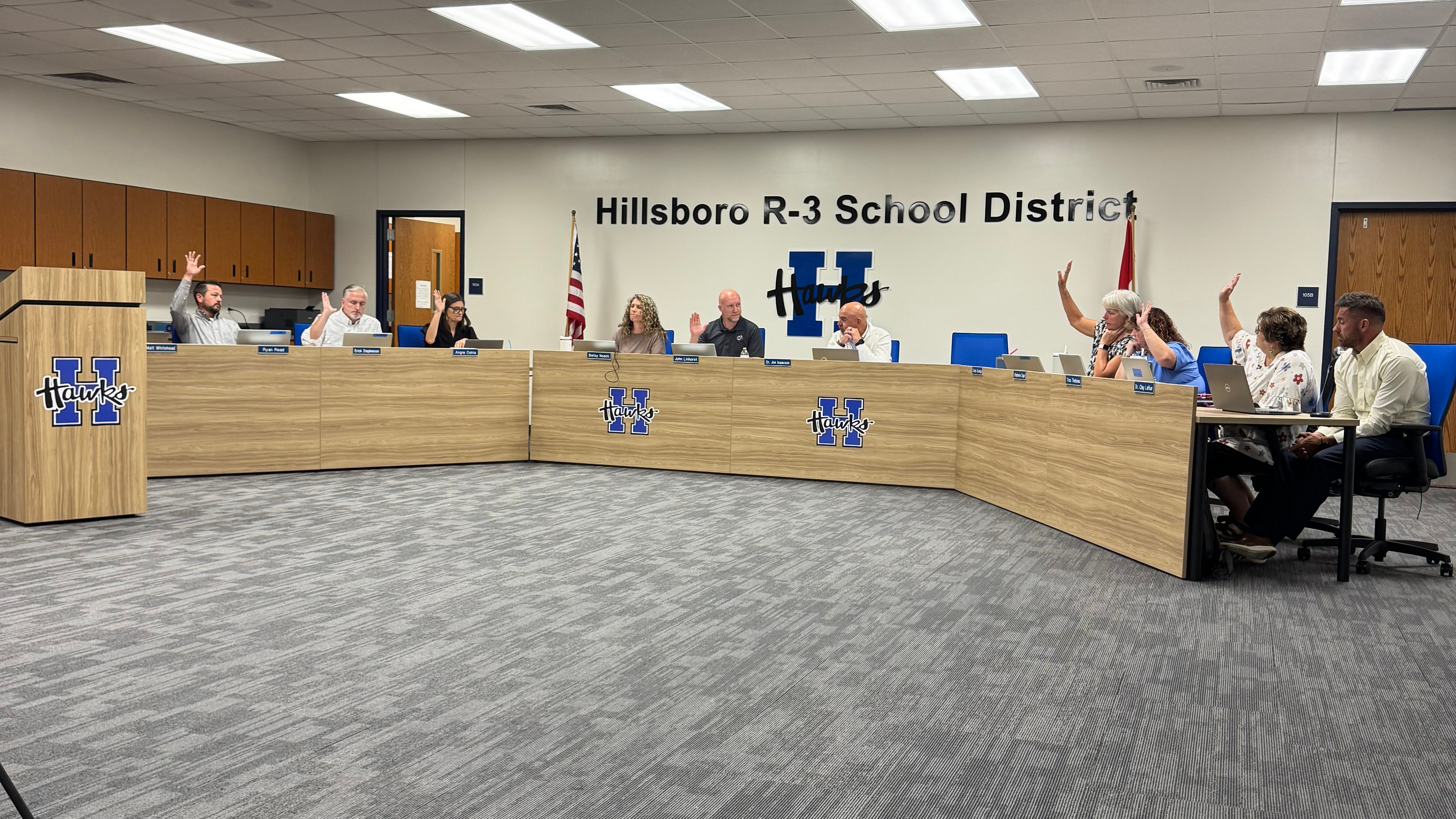
Vote to approve ballot proposal
|
|
Isaacson said classroom instruction and school safety would remain the district’s top priorities. If the district does not have enough money, other areas could face reductions. Those areas may include early childhood education, career programs, athletics, and other student opportunities.
He also pointed to lower administrative spending as proof that Hillsboro has worked to control costs.
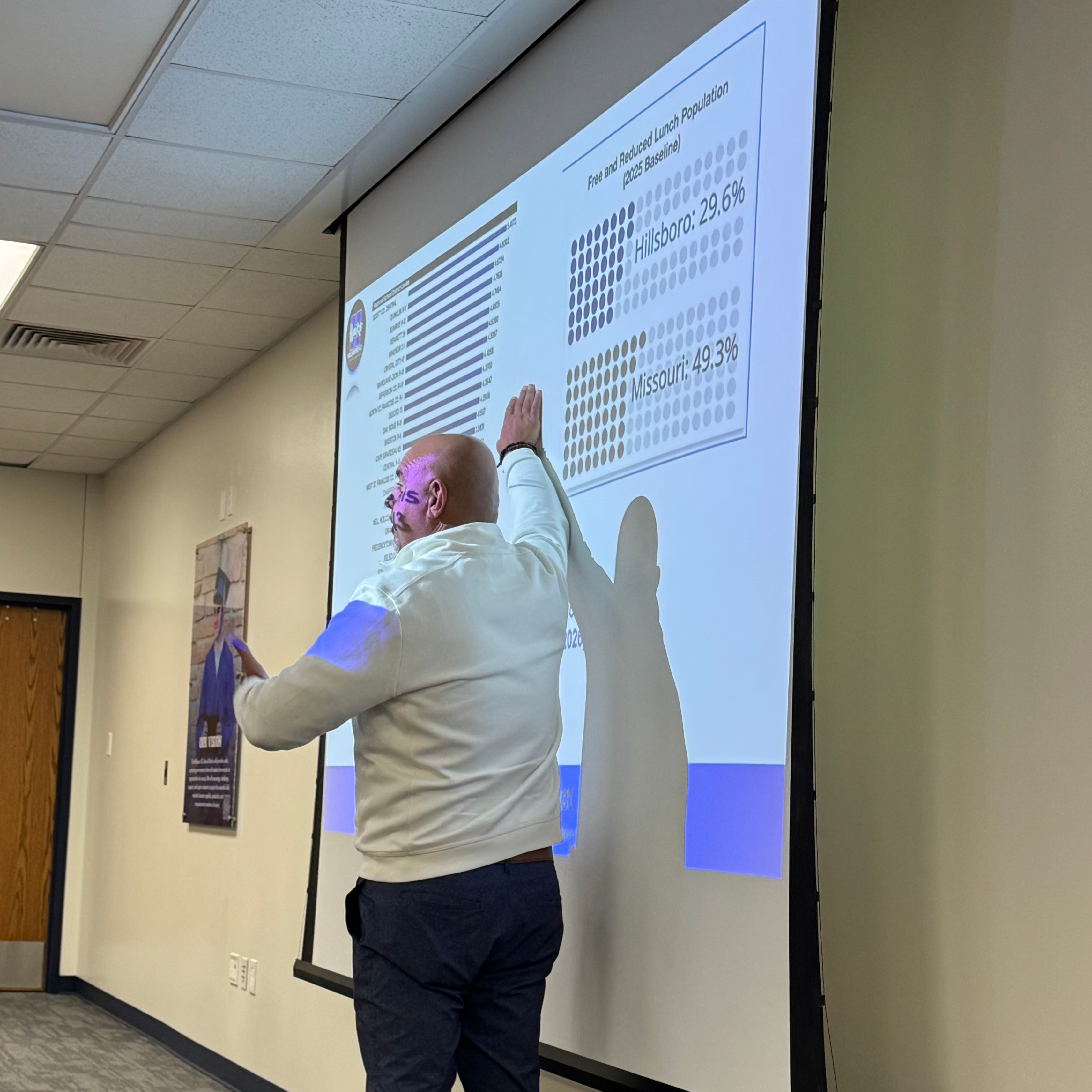
According to the figures presented, the district spent about $1.5 million on executive administrative salaries in 2018. That amount fell to about $739,000 in 2025. Benefit costs in that category fell from about $426,000 to $194,000 during the same period.
Hillsboro also reported having one administrator for every 186 students. The statewide average is one administrator for every 156 students.
How Hillsboro Would Compare With Nearby Districts
Another board question focused on how Hillsboro’s tax rate would compare with nearby school districts if voters approve Proposition H.
Isaacson said Hillsboro’s expected tax rate for the coming year is about $3.43 for every $100 of assessed property value.
The district is also finishing payments on its general obligation debt. About seven cents of the current debt tax rate is expected to end next year.
The proposed $1.39 increase would bring the district’s total adjusted operating tax rate to about $4.73, based on the figures presented to the board.
Isaacson said Hillsboro would move higher among Jefferson County school districts, but its rate would remain below several nearby districts. The proposed rate would also remain slightly lower than Hillsboro’s own tax rate from more than a decade ago.
The district’s tax rate was about $4.75 in 2014. Hillsboro has paid off about $27.7 million in general obligation debt since 2019 without asking voters to approve another increase.
Isaacson said the entire levy would be covered by the Hancock Amendment. This means the tax rate may be lowered as the total assessed value of property within the district grows. Learn More About the Hancock Amendment
He described the proposed $4.73 rate as the highest it would be allowed to reach. The school board could also choose to set a lower rate in future years.
Community Survey Shapes Priorities
Before the ballot discussion, representatives from the district’s architectural firm presented results from a community survey.
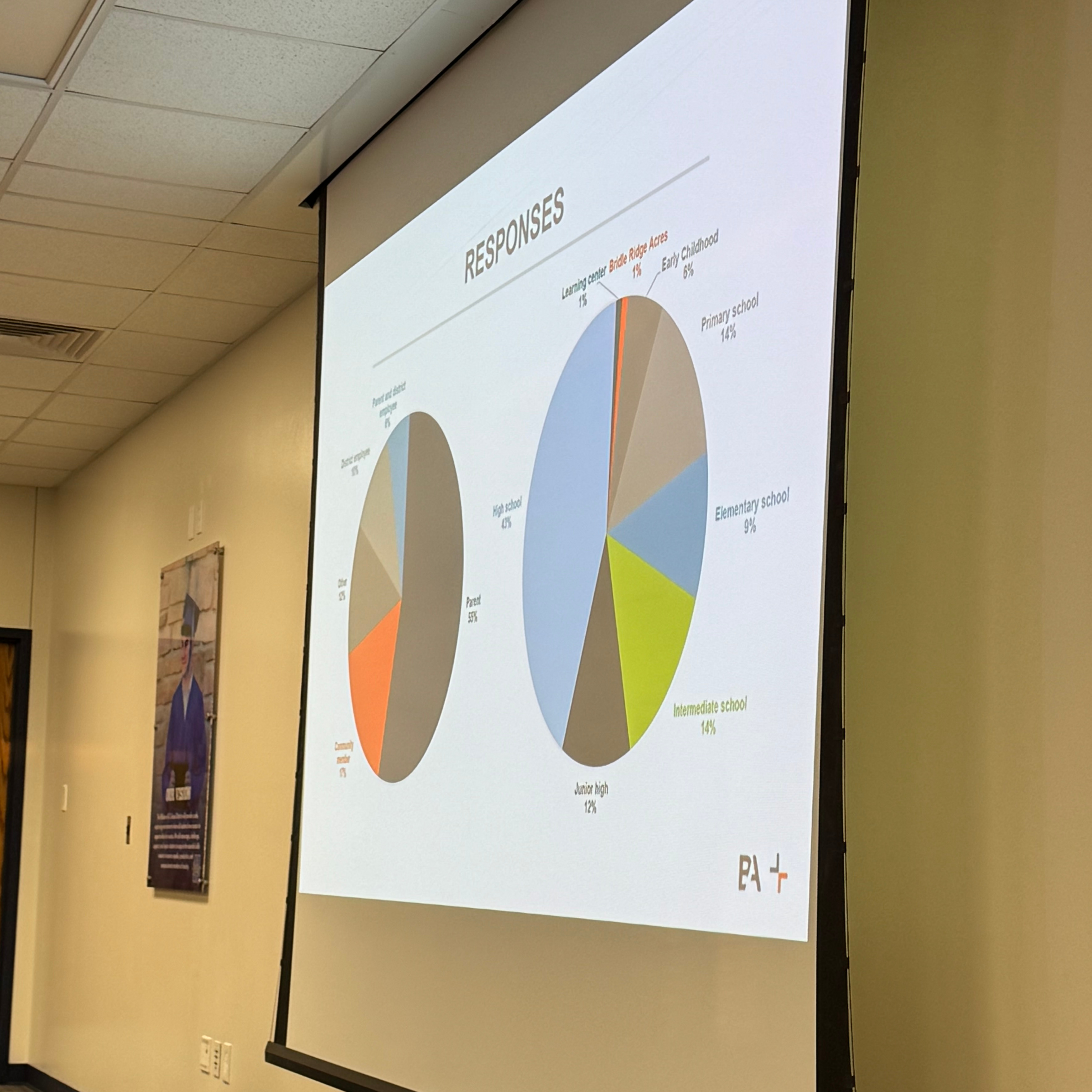
The district received 941 responses, including about 220 from community members. The architects said a district Hillsboro’s size might normally receive only 200 to 300 responses.
Safety and security ranked as the highest priority. Fine arts, performing arts, technology, athletic facilities, and classroom learning spaces also received strong support.
Among community members who responded, 26 percent said they fully supported the direction being considered. Another 22 percent said they were likely to support it, while 27 percent remained undecided.
A board member asked how Hillsboro’s response total compared with similar surveys. The architectural team said the district received an unusually strong response. The high participation gave the district a wider range of opinions to consider.
The district will continue discussing its facility plans during a community meeting scheduled for August 27 at 6:30 p.m. in the boardroom.
November Election Will Cost More
Isaacson said placing Proposition H on the November ballot is expected to cost the district about $25,000. Placing it on an April ballot would cost about $13,000.
Although the November election will cost more, Isaacson said it usually draws many more voters. He believes the larger turnout will allow more district residents to decide the proposal.
After the presentation and discussion, the board approved the resolution placing Proposition H on the November 3 ballot.
Stay connected to what’s happening in Jefferson County
The Jefferson Review delivers the local government decisions, development updates, and community stories shaping our county every Monday and Thursday.
Don’t miss what your neighbors are talking about.