


From Personal Pain to Missouri Law: Cecelie Williams Celebrates HB 1908 Taking Effect
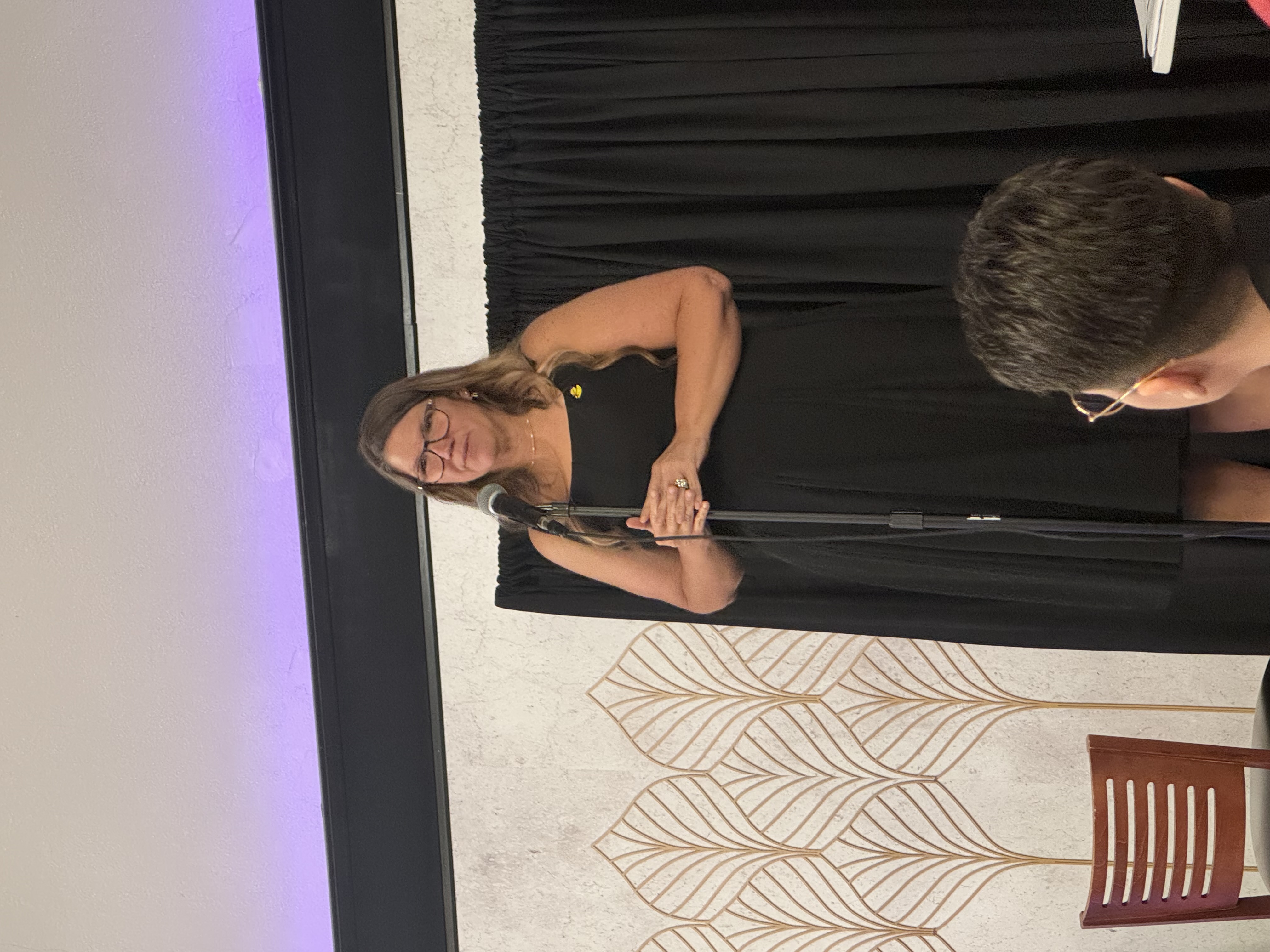
FESTUS, Mo. — For State Representative Cecelie Williams, Friday night was about more than celebrating the passage of a bill.
It was about seeing a painful chapter of her own life turned into a change in Missouri law that could prevent other women from facing the same barrier she once did.
Supporters gathered Friday, August 28, at Marquee on Main in Festus for a “Cheers to Change” celebration marking the passage of House Bill 1908, legislation sponsored by Williams that clarifies pregnancy alone cannot prevent a Missouri court from entering a final judgment of divorce or legal separation.
The timing carried special significance.
August 28 was also the day the new law officially took effect.
For Williams, who represents Missouri House District 111, the issue was never simply a question of changing a few words in state statute.
It was personal.
Williams has spoken publicly about surviving domestic abuse and attempting to end her marriage while she was pregnant. Her experience with the legal system left her unable to obtain the final judgment she was seeking until after the birth of her child.
Years later, that experience became the foundation of a legislative effort.
Throughout Friday evening, displays around the venue walked guests through that journey, beginning with the legal barrier Williams encountered herself, continuing through an unsuccessful attempt to pass similar legislation in 2025, and ending with HB 1908 becoming Missouri law.
One message appeared repeatedly throughout the presentation:
“What once stood in my way will never stand in theirs.”
A Simple Change With Serious Consequences
Missouri law previously allowed someone to begin divorce proceedings while pregnant, but pregnancy could still become an obstacle to receiving a final judgment.
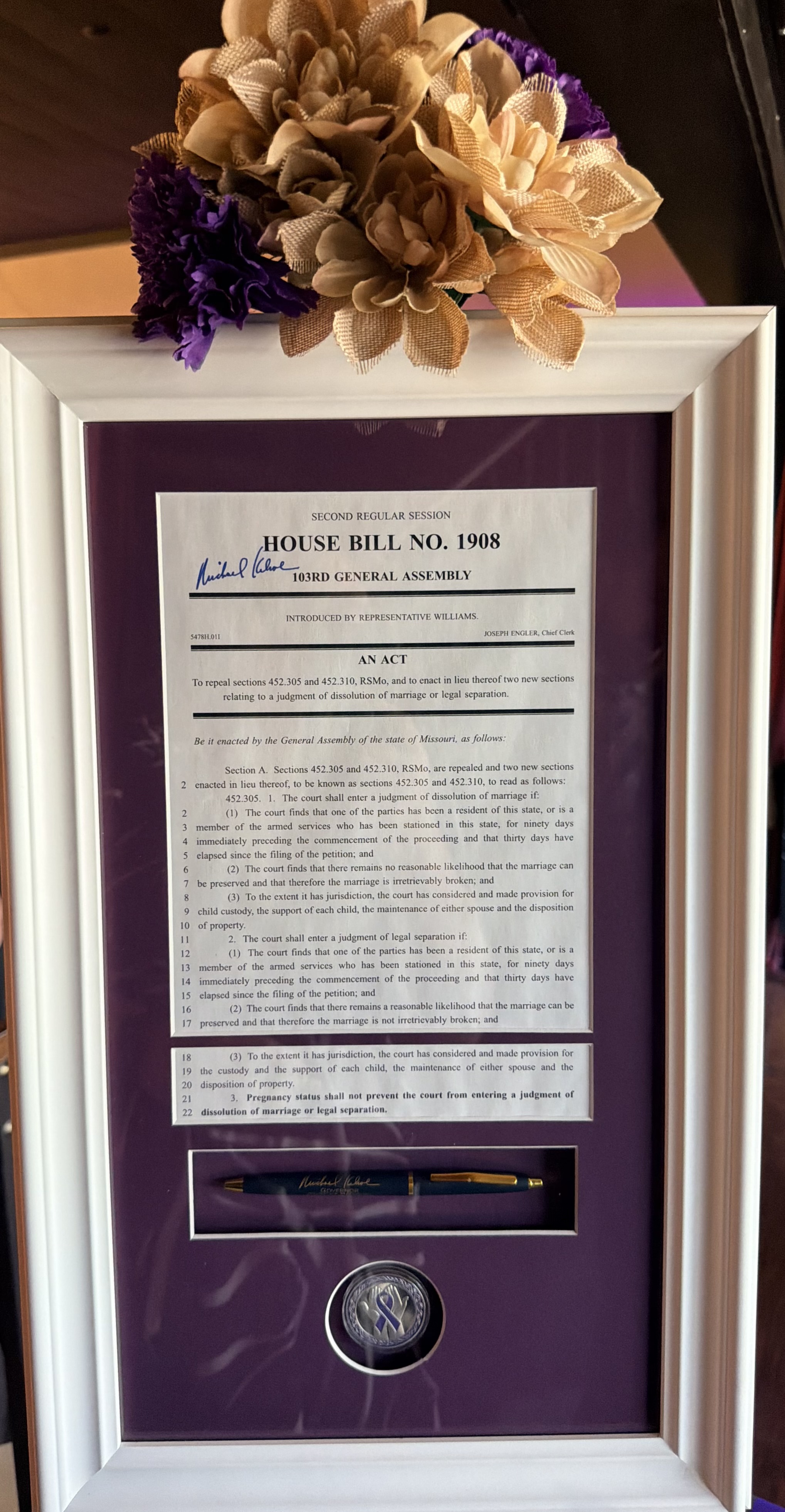
HB 1908 adds a straightforward protection to state law: pregnancy status cannot prevent a court from entering a judgment dissolving a marriage or granting a legal separation.
The change can carry consequences far beyond marital status.
For someone attempting to leave an abusive or dangerous relationship, a finalized divorce can affect housing, finances, benefits, legal responsibilities, and the ability to fully separate from an estranged spouse.
Williams’ effort also drew support from advocates who argued that pregnancy should never force someone to remain legally tied to an unsafe relationship.
The legislation eventually became HCS HBs 1908 & 2337 and was approved by Governor Mike Kehoe on April 7 before taking effect August 28.
Judge Argana Highlights Jefferson County Hope Cards
Friday’s program also broadened the conversation beyond HB 1908 to another issue facing survivors of domestic violence.
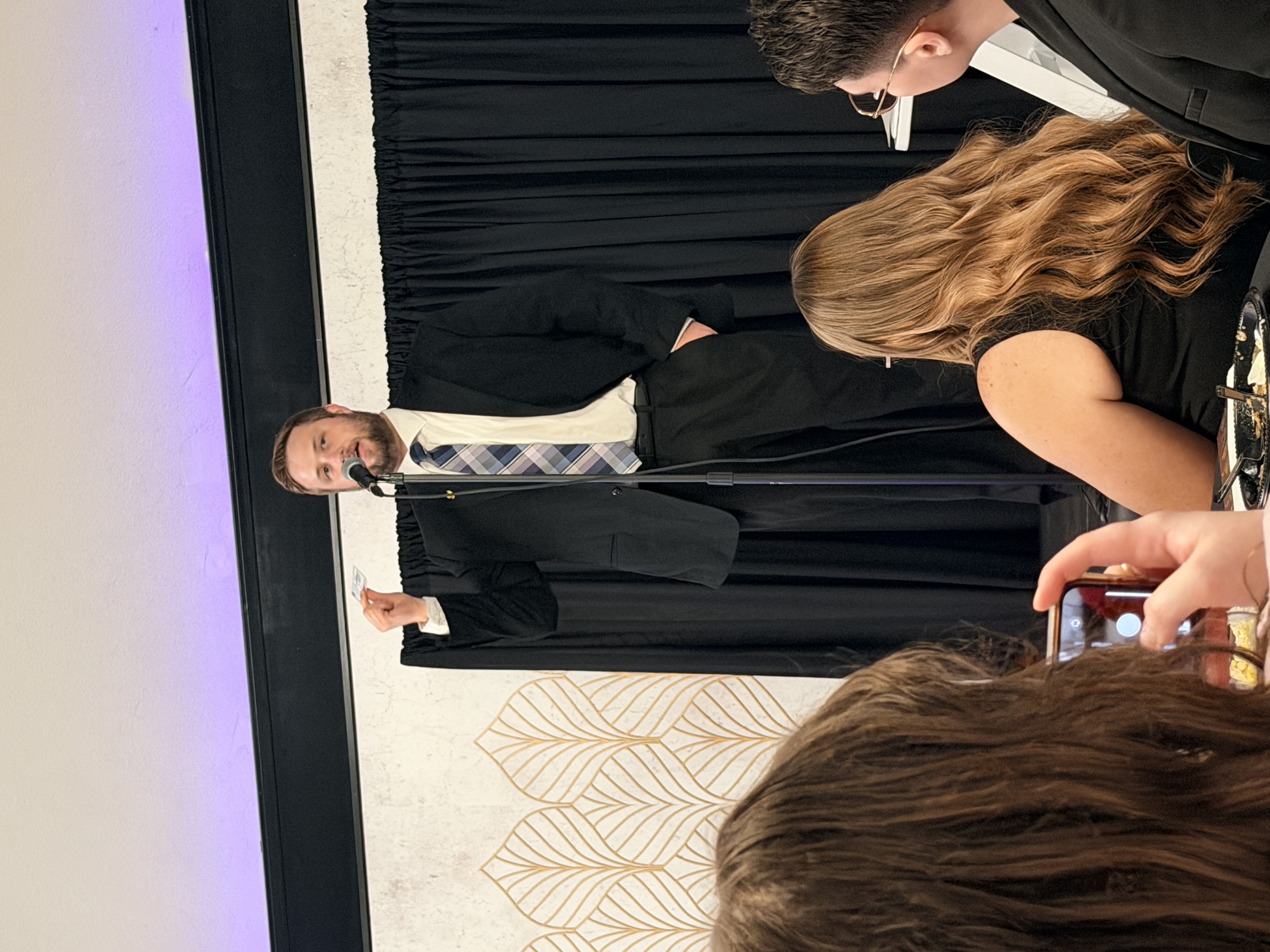
Jefferson County Associate Circuit Judge Charlie Argana spoke about the county’s new Hope Card program.
Traditionally, someone granted a full order of protection may receive a lengthy certified court document that can be cumbersome to carry.
A Hope Card condenses important information associated with that order onto a wallet sized plastic card, making it easier for a protected person to keep the information with them and provide it when necessary.
Argana has said the program is intended to make protection orders easier for victims of domestic violence, abuse, and stalking to use in the real world. Jefferson County launched the program this summer.
Recognizing the Support Behind the Fight
The evening also focused on the people surrounding Williams throughout her journey.
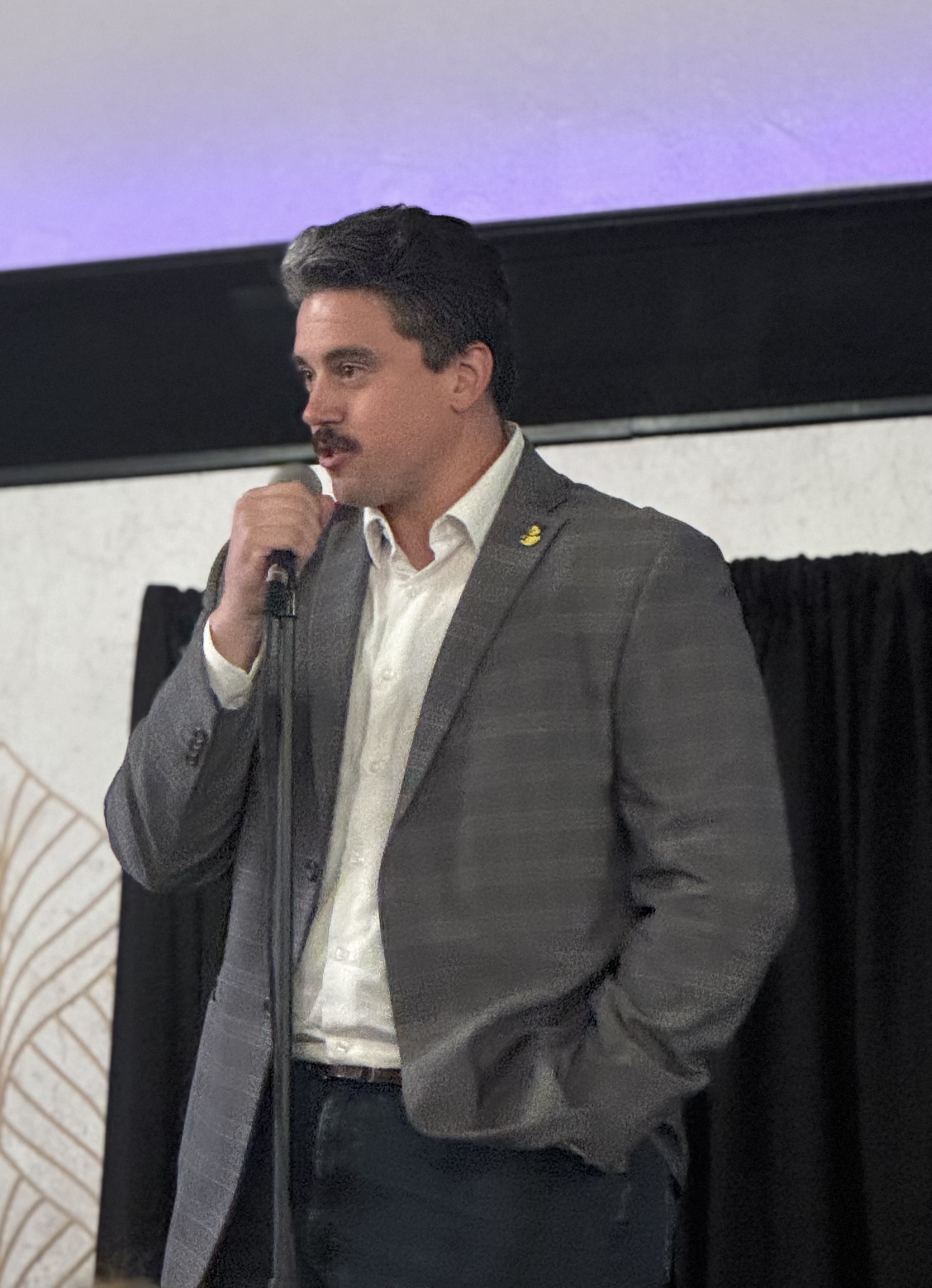
Joe Maddock spoke about Williams’ husband, Rich Williams, describing him as one of the kindest, most supportive, and resourceful people he knows.
Maddock praised the role Rich has played as Williams campaigned for office, entered the Missouri House, traveled to Jefferson City, and pushed legislation through a process that does not always produce immediate victories.
His remarks highlighted another theme of the night: while one legislator’s name may appear on a bill, the work behind public service often involves spouses, families, advocates, colleagues, and supporters who rarely receive the same public attention.
Rose Ghattas brought the evening back to its emotional center.
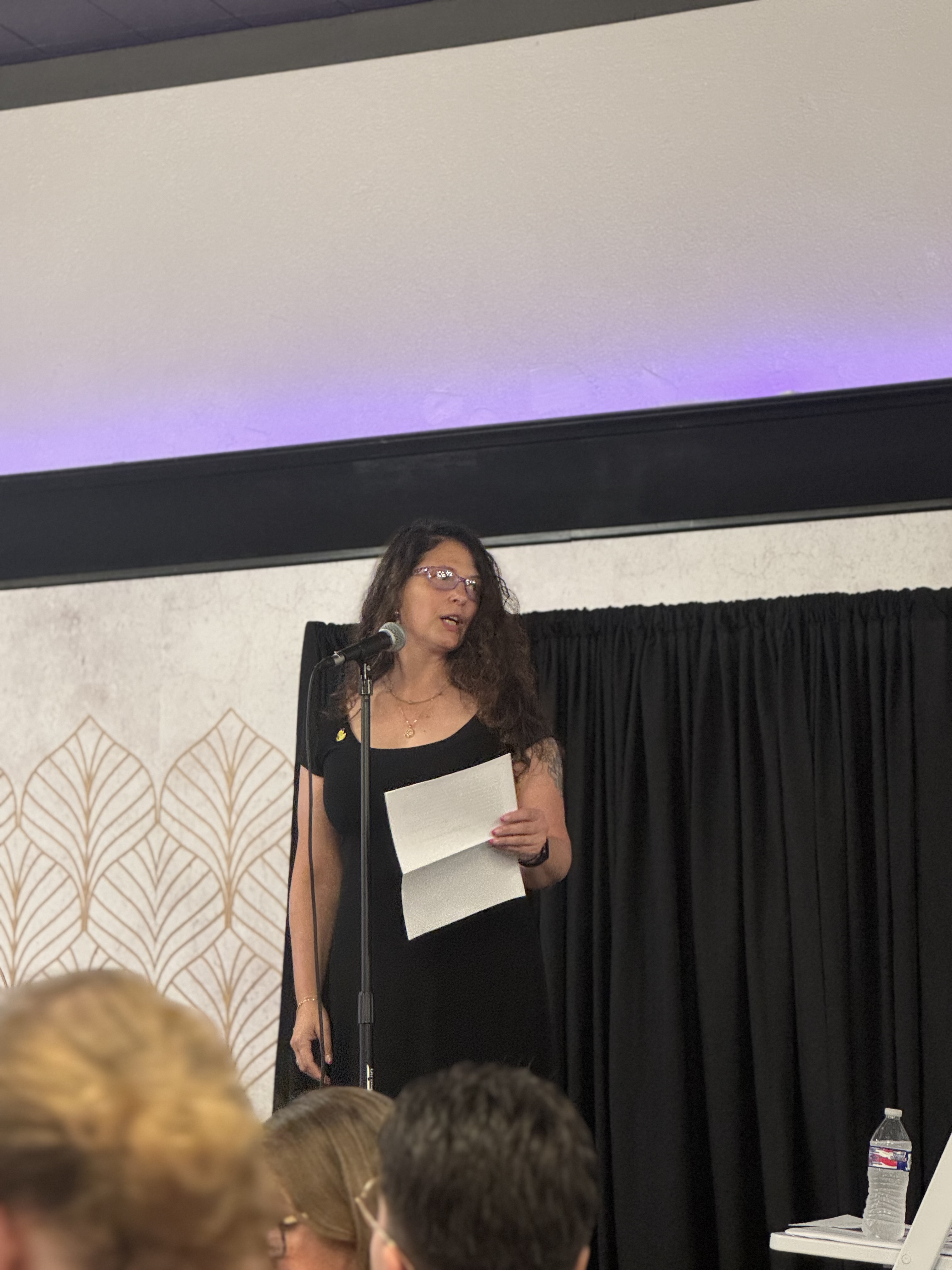
Ghattas, president of the Board of Directors for AVENUES Domestic and Sexual Violence Advocacy Services, retold Williams’ own story and the circumstances that ultimately helped turn her experience into legislation.
AVENUES works with survivors of domestic and sexual violence in Northeast Missouri, providing crisis intervention, advocacy, residential services, and other forms of support.
For guests who knew HB 1908 primarily as a bill number, the story served as a reminder of the person and experience behind the legislation.
The First Attempt Fell Short
The celebration also acknowledged that HB 1908 was not Williams’ first attempt.
During the 2025 legislative session, Williams introduced House Bill 243, which addressed the same basic issue.
HB 243 passed the Missouri House unanimously before moving to the Senate. In the closing days of the session, however, the legislation was amended and ultimately failed to cross the finish line.
The bill died.
The effort did not.
Williams returned during the 2026 legislative session with HB 1908.
This time, the legislation moved rapidly.
The House passed the measure 147 to 0 on February 12. The Senate followed with a 29 to 0 vote on March 10. Committee votes recorded by the House were also unanimous, giving Williams something increasingly uncommon in state politics: overwhelming agreement across party lines on a deeply personal issue.
Governor Kehoe signed the legislation on April 7.
At the signing, Kehoe praised Williams for sharing her story and said pregnancy should never be used as a barrier preventing a woman from seeking divorce in an unsafe situation.
From Jefferson City Back to Jefferson County
Friday night brought the story back home.
A framed copy of HB 1908 was displayed inside Marquee on Main alongside the pen associated with the legislation and a series of visual displays chronicling the bill’s journey.
Guests gathered for dinner and a silent auction before hearing from speakers. The evening also included a ceremonial toast celebrating Williams' accomplishments.
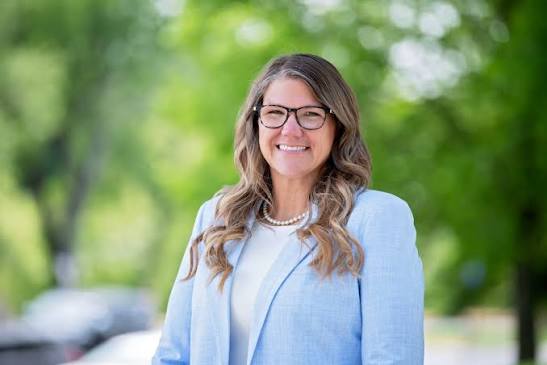
Williams closed the program by recounting the legislative road that began with her own experience, survived the failure of HB 243, and eventually produced unanimous support for HB 1908.
She spoke about the significance of receiving encouragement from lawmakers on both sides of the political aisle and the unusual level of agreement the proposal received as legislators learned why the change mattered.
The celebration's central message remained focused on what the legislation represented.
A woman encountered a barrier.
She carried that experience with her.
She entered public office and tried to change it.
Her first attempt failed.
She came back.
And on August 28, 2026, the same day supporters gathered in Festus to raise a glass to the journey, the barrier that once stood in Cecelie Williams’ way officially disappeared from Missouri law.
From Jefferson County to the halls of the State Capitol, The Jefferson Review follows the people, decisions, and stories shaping our community. Subscribe free and stay connected to the local news that matters.
Subscribe Free to The Jefferson Review