


Congressman Jason Smith Brings Annual Farm Tour to Meert Tree Farm
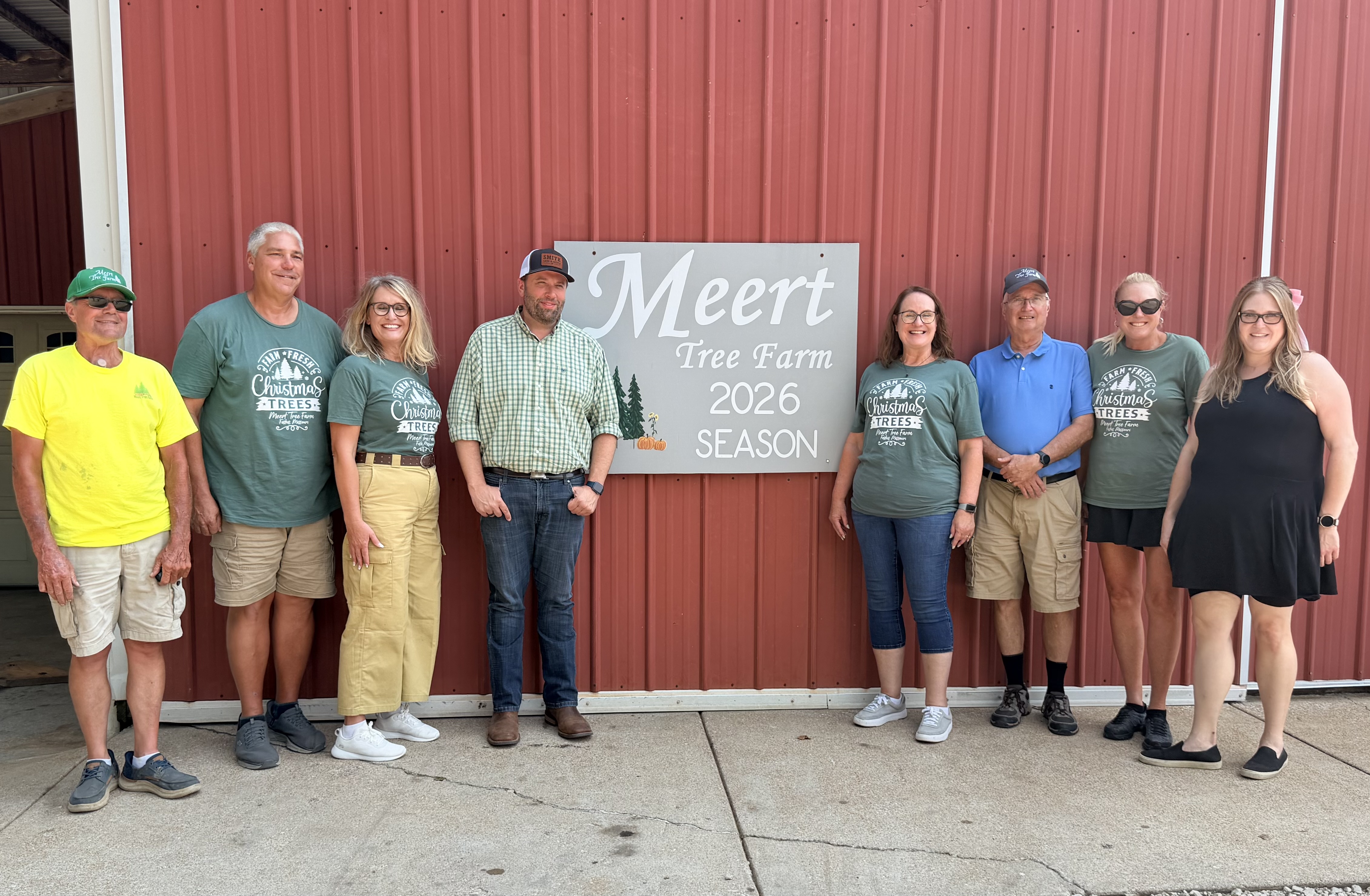
Congressman Jason Smith’s annual Farm Tour made a Jefferson County stop at Meert Tree Farm, where rows of evergreens, a seasonal Christmas shop, and generations of family history provided the setting for a conversation about the rewards and realities of farming.
Each year, Smith visits farms, ranches, and agricultural businesses across Missouri’s 8th Congressional District to meet producers, learn how their operations work, and hear about the challenges they face. The tour reflects Smith’s own background as a fourth generation owner of his family farm in Dent County.
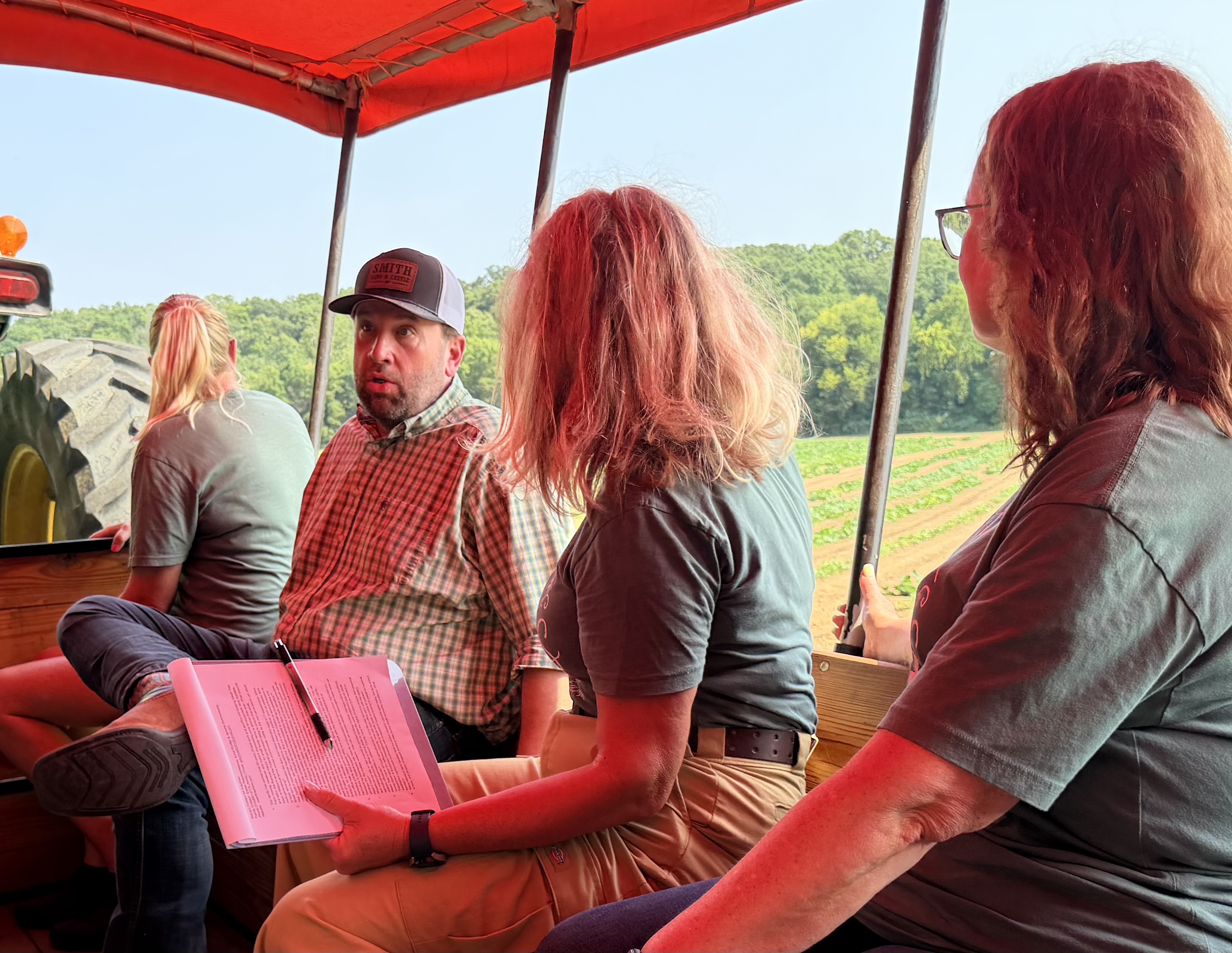
At Meert Tree Farm, Smith walked the property, rode through the fields, examined trees at different stages of growth, and listened as family members explained the work behind a business many customers experience only during a few festive weeks each year.
A Jefferson County Agricultural Tradition
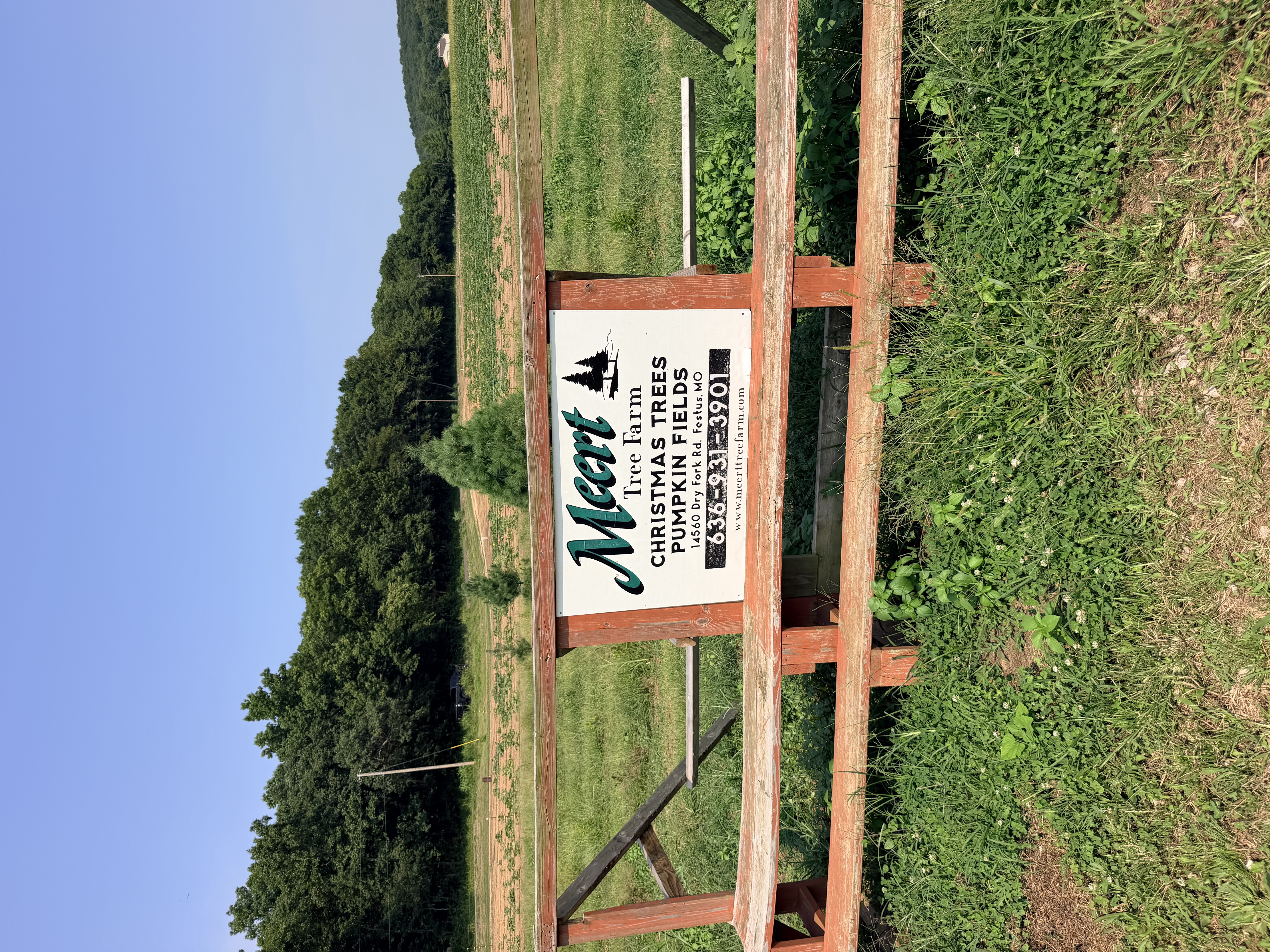
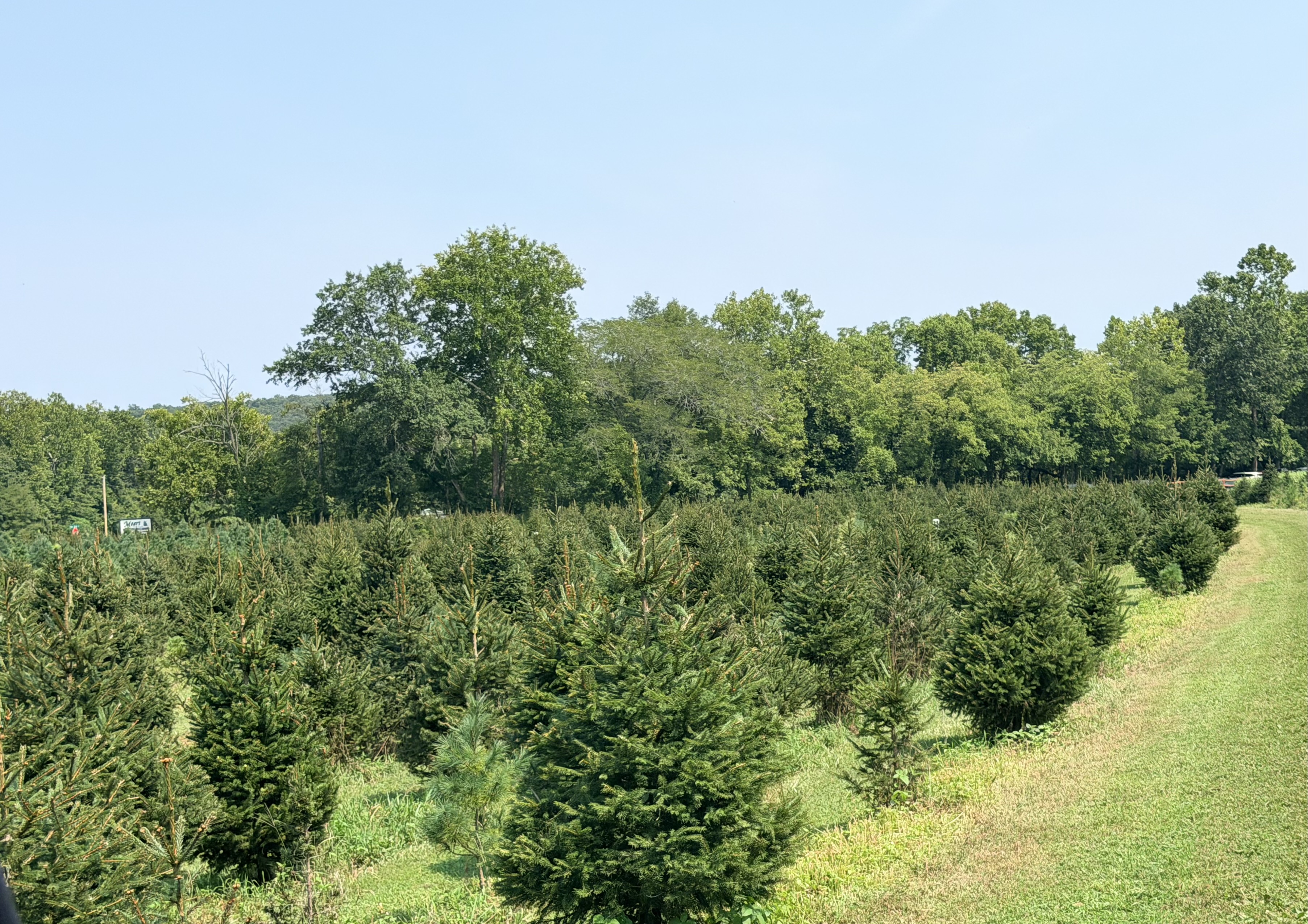
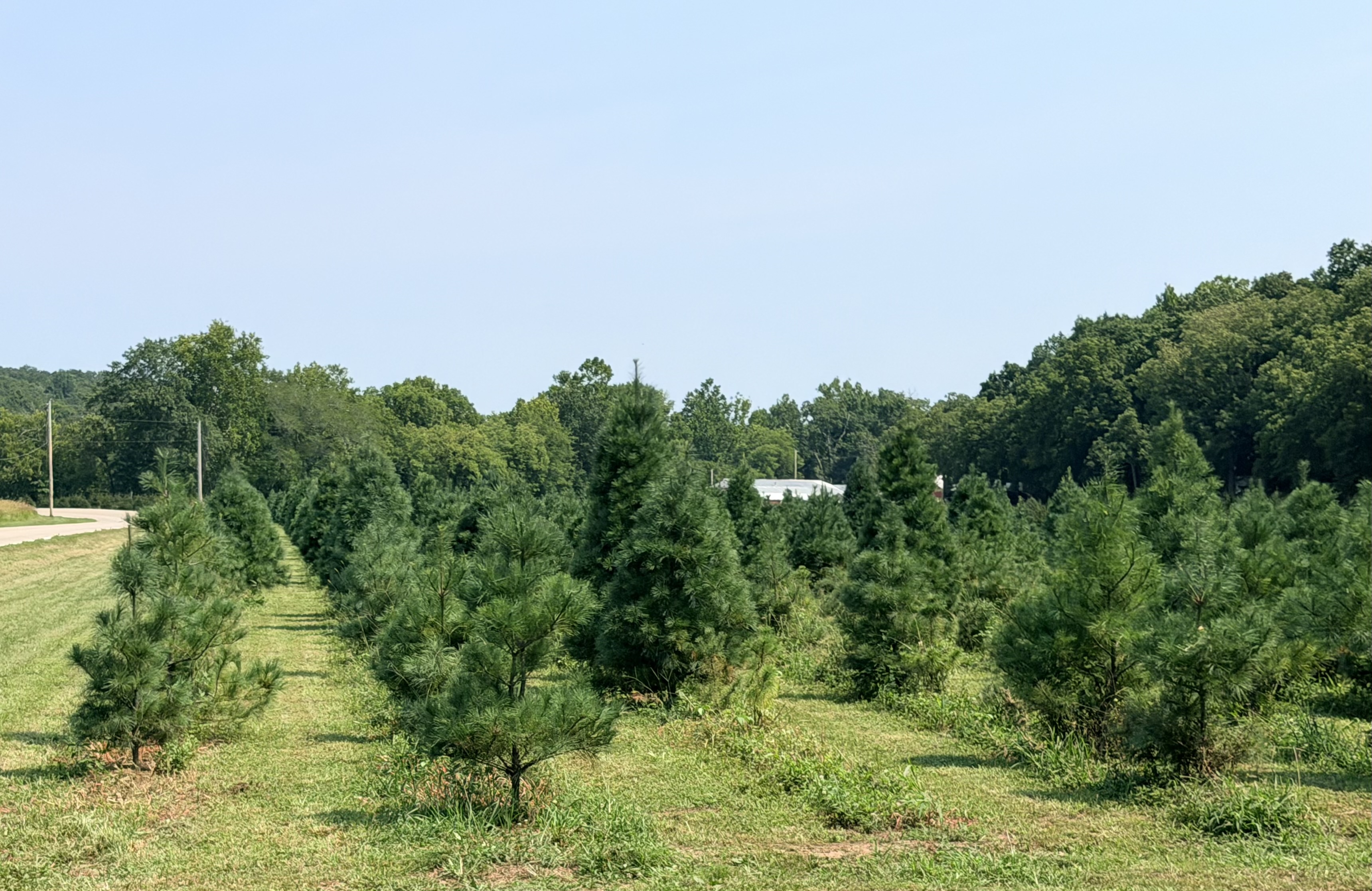
Meert Tree Farm was established in 1963 by Domien Meert and his father. The operation expanded to its current Festus location in 1980 and now covers approximately 150 acres, with about 80 acres planted in Christmas trees. The farm has more than 22,500 evergreens, including Scotch pine, white pine, and Norway spruce.
Second and third generation family members continue the operation following the deaths of Domien Meert in 2016 and Eileen Meert in 2023. Over more than six decades, the farm has become both an agricultural business and a seasonal destination that brings thousands of families into Jefferson County.
The farm’s year begins long before customers arrive to select a tree. Family members discussed planting, irrigation, weather, soil conditions, deer damage, tree varieties, and the years of maintenance required before an evergreen is ready for harvest. Some trees take roughly eight years to reach the proper size, while weather can determine whether years of work result in a healthy crop.
|
|
Meert Tree Farm has also expanded through agritourism. The farm hosts a pumpkin patch, wagon and train rides, wreath making classes, seasonal events, and photography opportunities. Its busiest Christmas tree season begins around Thanksgiving weekend.
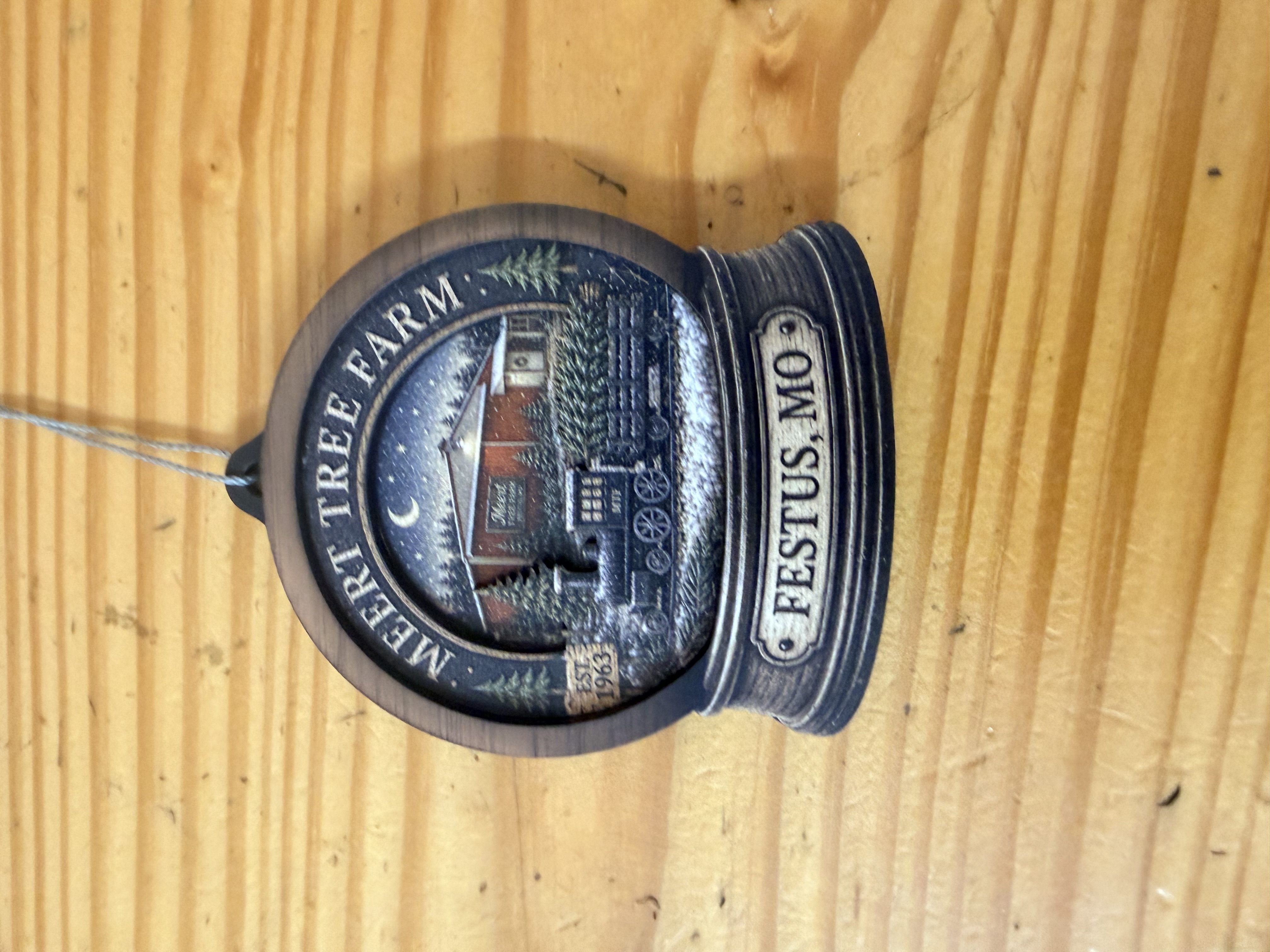
Inside the shop, visitors can find ornaments, bows, stockings, greenery, and other items for decorating their tree. The farm also creates a custom ornament each year, giving longtime visitors a way to build a collection tied to their family tradition. The expanded store provides another way for families to make their visit part of an annual Christmas experience.
|
|
That creativity is essential for a seasonal operation. The family explained that much of the farm’s annual income must be earned during a short window. Trees that are not suitable for sale can still provide greenery for wreaths, allowing the farm to recover value from damaged or imperfect trees.
Smith’s Connection to Family Farming
The discussion became especially personal when Smith spoke about his own experience keeping a family farm alive.
Smith recalled that he was 20 years old and attending college when his grandfather died. Although taking responsibility for the farm at that age was difficult, he said he could not imagine allowing the property to leave the family. He continued his education while also taking on the work and financial responsibility of the operation.
Smith described going to a local bank and making his case for a loan that would allow him to keep the farm running. He expressed gratitude that the bank was willing to take a chance on a young farmer. Years later, he said, the family farm remains his sanctuary. Smith has previously described how his agricultural education and experience securing financing to preserve the property shaped his understanding of family farming.
Challenges Facing Family Farms
That experience gave added weight to the concerns raised at Meert Tree Farm. The family is navigating an estate settlement and searching for a buyer or partner who can preserve the farm’s agricultural character and continue its community legacy. High interest rates, major capital requirements, and the specialized nature of a working Christmas tree farm can make that transition difficult.
Questions presented during the visit touched on financing, estate transition assistance, tax policy, liability insurance, seasonal labor, rural broadband, regulatory communication, and access to agricultural programs often designed around row crops or livestock.
Smith listened as the family explained that farms like Meert are not simply pieces of land. They are businesses, family histories, gathering places, and long term investments measured in years rather than weeks. His attention remained on practical details, from how trees respond to heat and moisture to how a seasonal business finds labor, insurance, financing, and a path to the next generation.
The stop showed why Smith continues the Farm Tour. Agriculture varies widely across the district, but many concerns are shared: rising costs, unpredictable weather, access to labor and credit, regulatory burdens, and the challenge of passing an operation to the next generation. Smith has said the feedback collected during his stops helps inform his work on policies affecting rural communities.
At Meert Tree Farm, those challenges exist alongside visible signs of resilience. Thousands of trees continue growing toward future Christmas seasons. Pumpkins will welcome families in the fall. Wreath making classes will begin as the holidays approach. New ornaments will join old collections.
For Smith, the visit was another opportunity to learn directly from the people doing the work and better understand the needs of Jefferson County agriculture. For the Meert family, it was a chance to show what has been built over more than 60 years and explain what will be required to protect it for the future.
From family farms and local businesses to city government and community events, The Jefferson Review brings the stories shaping Jefferson County directly to your inbox. Subscribe free and stay connected to the people doing the work.
Subscribe to The Jefferson Review