

Atlas Youth Outreach Creates a Space Where Jefferson County Teens Can Be Heard
New Arnold location gives teens a place for therapy, connection, belonging, and safe substance-free events
For Annie Caputa and Jeff Elden, Atlas Youth Outreach began with a need they kept seeing over and over again.
Teenagers in Jefferson County needed more access to mental health support. They needed group settings where they could hear from others their age. They needed trusted adults. They needed community. They needed a place that did not feel like a doctor’s office, a waiting room, or another clinical appointment.
Most of all, they needed a space where they could walk in and feel like they belonged.
That is what Atlas Youth Outreach is working to build in Arnold.
“Our mission is to assist the youth of Jefferson County in finding a path to a brighter tomorrow,” Jeff Elden said.
But inside Atlas, that mission looks less like a formal statement and more like a teenager grabbing a snack, settling into a familiar spot, making a name tag, joining a conversation, or showing up for a free event they might not otherwise have been able to attend.
Annie said Atlas is designed to be a safe place where teenagers can be themselves, be heard, and be validated.
“A lot of times kids have had either no experience with therapy or maybe negative experiences with therapy,” Annie said.
Filling a gap for Jefferson County teens
Atlas Youth Outreach offers two main types of programming.
The first is Navigate, which focuses on group therapy and mental health support for teens. Many of the groups run in six-week sessions, with summer programming also available.
The second is Connect, which focuses on safe, substance-free events where teens can spend time with other teens in a supportive environment. Some events happen at the Atlas office, while others take place at local businesses and community spaces around Jefferson County.
For Jeff and Annie, the idea grew out of their work in private practice, where they often wanted to connect teen clients with additional support. They saw a need for services focused on topics like trauma, healthy relationships, anxiety, depression, self-worth, identity, and confidence.
Often, the closest options were outside the county.
“Man, how cool would it be for us to bring these services here in Jefferson County?” Annie remembered thinking.
Eventually, that question became Atlas Youth Outreach.
Jeff said the original gap they wanted to fill was access to mental health services for teenagers in Jefferson County, especially group therapy.
But as Atlas grew, they saw the need was even broader.
“I think at the core, the gap we’re trying to fill is just community and connection for teenagers,” Jeff said.
Why Arnold made sense
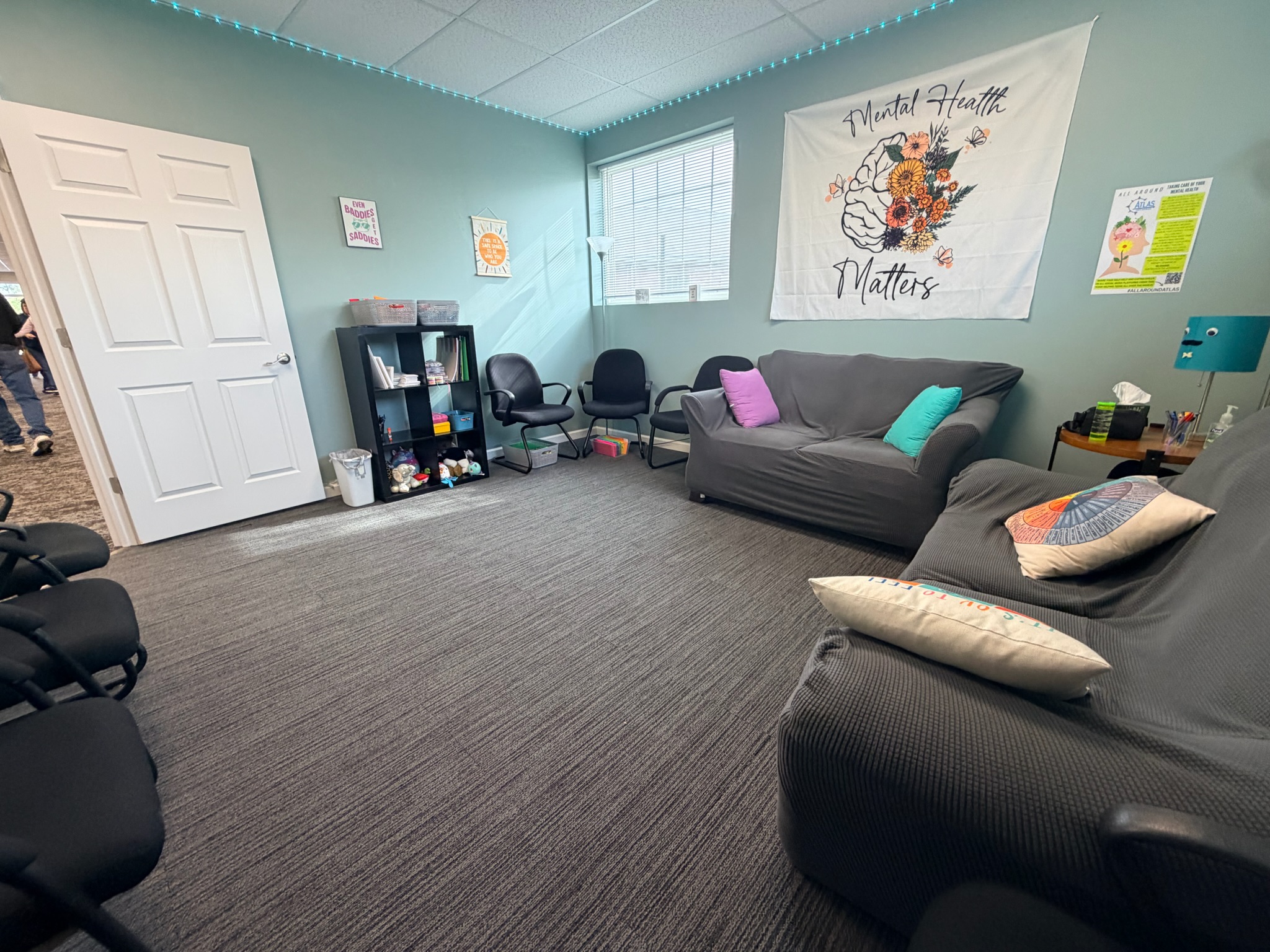
Atlas recently moved into a larger Arnold location, giving the organization more room to serve teens and create the kind of welcoming space Annie and Jeff envisioned.
Jeff said Arnold made sense because it is accessible for families across the county. With major highways nearby, parents can bring a teen to a group or event and still have places to run errands, shop, or spend time while they wait.
The new space also allows Atlas to do more of what it was already doing.
Their previous location worked at first, Jeff said, but it quickly became too small as more teens began coming through the door.
The Arnold office gives them room to stretch out, hold groups more comfortably, provide supplies, and create a true home base for the teens they serve.
For Jeff, that matters because Atlas is not just offering programs. It is building a community.
“If at the heart of what we’re doing is community and connection, I think it’s important to have a space where that community and connection is known to happen,” Jeff said.
A space built to feel different
One of the first things people may notice at Atlas is what is missing.
There is no traditional waiting room.
That was intentional.
Waiting rooms can feel clinical, intimidating, and anxiety-producing for young people. Atlas was designed differently from the moment a teen walks in.
“They walk in and it’s like walking into our house,” Jeff said. “It’s like, ‘Hey, how’s it going? You want a drink? The fridge is out back. Grab yourself a drink.’”
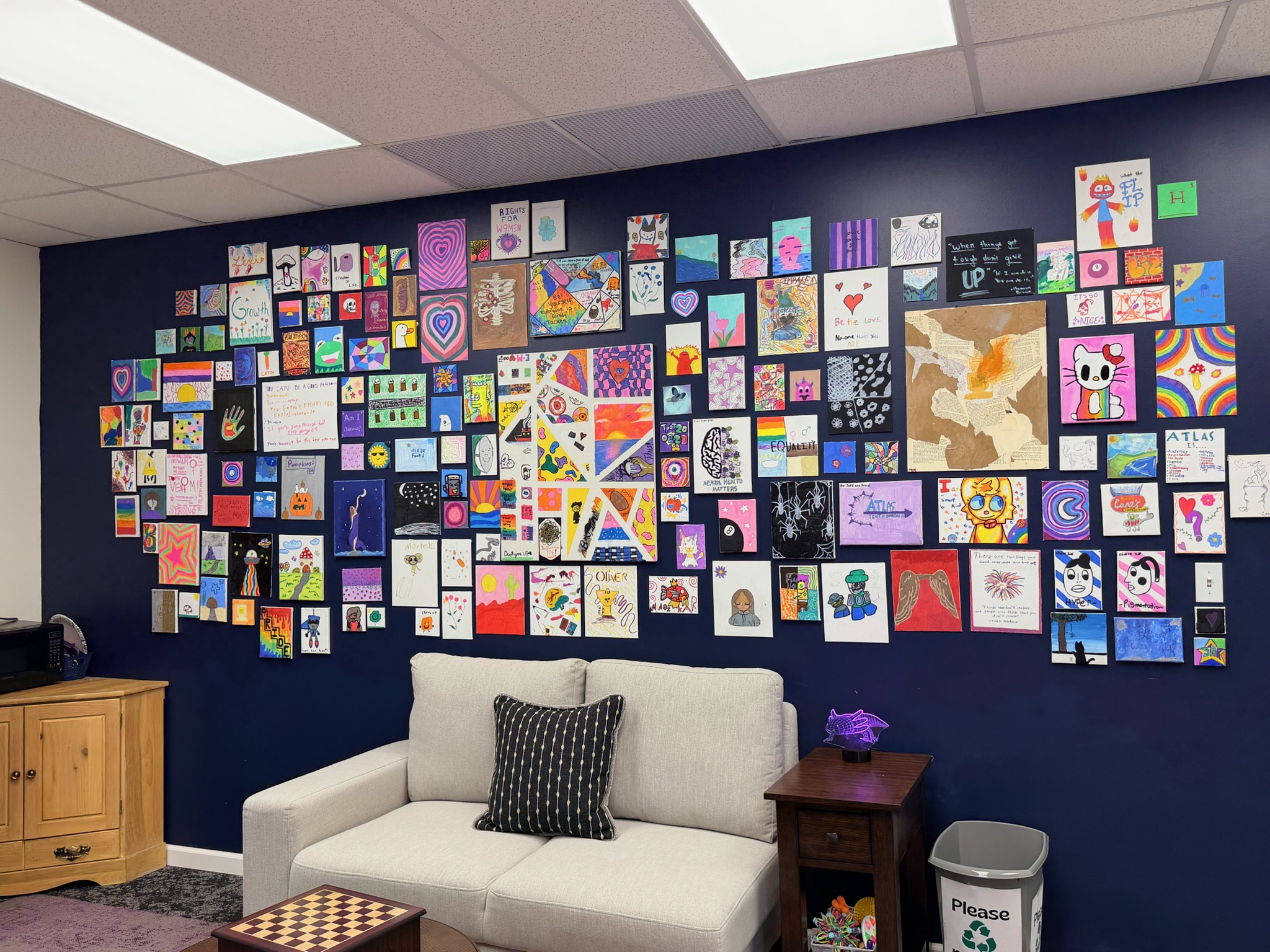
The space includes snacks, drinks, art supplies, comfortable places to sit, and areas where teens can settle in before programming begins. Annie said teens often arrive before group starts, find their regular spots, get something to eat or drink, and spend time together.
The pantry and supplies are set up so teens do not have to ask permission for every little thing. They can get snacks, use art materials, make hot chocolate, or heat up macaroni and cheese.
Annie said those simple moments can also teach autonomy and life skills.
It also communicates trust.
The result, they said, is a community where teens respect the space because they feel respected in it.
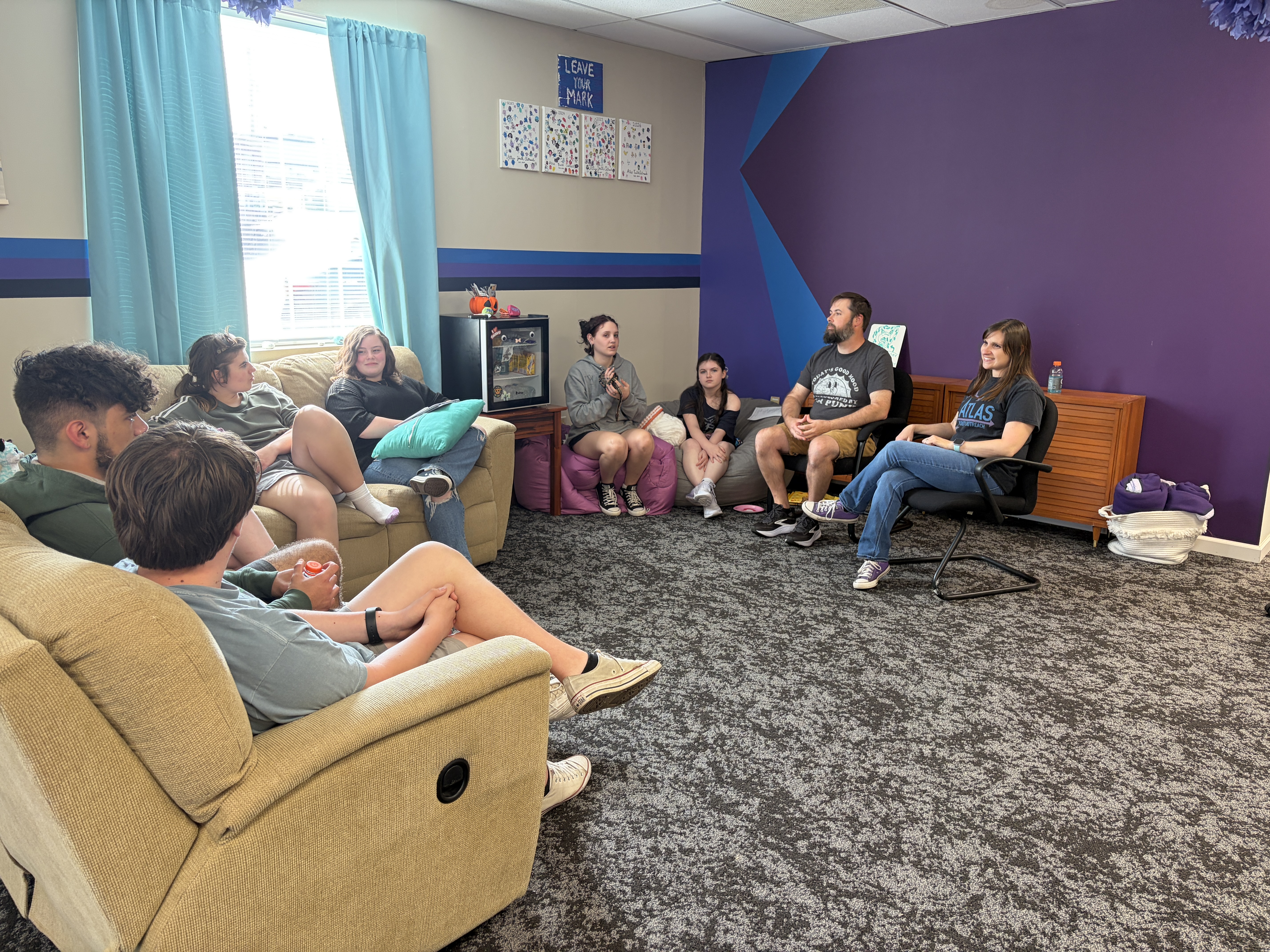
Annie described that trust as something teens then pass on to each other. When someone new comes in, returning teens often help explain where things are, what is allowed, and how the space works.
That is part of the culture Atlas is trying to create.
“It’s okay, you can do this,” Jeff said, describing how teens help new participants settle in.
What teens are dealing with
When asked what challenges teenagers are facing right now, Annie said the list is long.
Bullying remains an issue. So does loneliness. So does anxiety. So does the pressure to know who they are, what they believe, what they want to do, and how they are supposed to fit in.
Annie emphasized that schools are doing a lot, and that many school partnerships have been important to Atlas. She also noted that young people often do not see everything adults are doing behind the scenes, which can leave teens feeling like they have to handle conflicts on their own.
Another challenge, she said, is the broader climate teens are growing up in.
“Our teens hear and see everything that adults are saying and doing,” Annie said.
That includes polarization, online arguments, social pressure, and the way adults model conflict.
Jeff said he sees teens walking into social situations with a sense that conflict may be waiting for them.
“They look at everybody as a potential conflict versus as a potential acquaintance or friend,” Jeff said.
Inside Atlas, the expectation is different.
The number one rule is respect. Teens may hear things they do not agree with, but the expectation is that they respond with respect. Annie said Atlas includes teens with different beliefs, different backgrounds, different experiences, and different perspectives.
The goal is not for every teen to think the same way.
The goal is for them to learn how to be in community with one another.
“We don’t have hate speech here,” Annie said. “Everybody’s able to voice their opinions, but we do so in very respectful ways.”
A place where teens do not have to perform
Jeff said another pressure teens face is the feeling that everything has to be serious, productive, or tied to future success.
He said young people are often pushed to turn every interest into a plan, a career, or an achievement.
A teen learns to crochet, and suddenly the question becomes whether they will sell what they make. A teen enjoys a sport, and the pressure becomes whether they will compete at a higher level.
“Kids are not doing things just for the pleasure of doing them anymore,” Jeff said.
At Atlas, teens are allowed to try things, make things, talk, play games, draw, laugh, and connect without every moment needing to become something larger.
Sometimes a group follows a planned curriculum.
Sometimes the teens take the conversation somewhere else, and Annie and Jeff follow that moment because it is where the real work is happening.
Working with schools and families
Atlas has built relationships with school districts across Jefferson County and continues to look for opportunities to expand those partnerships.
Jeff said schools have played an important role by providing space for Atlas to offer services to students. Annie said school partners have helped share information, support programming, and connect students with resources.
“Our schools have been amazing,” Annie said.
Atlas is also open to working with more schools, churches, families, and community spaces.
The in-school programs can make support easier for students to access because teens are already in the building. Families who are interested in Atlas can also contact the organization, set up a time to visit the space, ask questions, and meet the team before committing to a program.
Jeff said it does not have to feel like a parent signs a teen up and sends them into something unfamiliar on the first day.
Instead, families can come see the space and get comfortable first.
“Try this thing out,” Jeff said. “Why don’t we go meet them? See what they’re about.”
Measuring success in small moments
Like many organizations, Atlas tracks data and looks at outcomes from its programs.
But for Jeff and Annie, some of the most meaningful successes are smaller and harder to measure.
A teen who refuses to get out of the car the first time, then eventually engages in group.
A teen who will only communicate through a cousin, then later begins speaking for themselves.
A parent who says their child does not have many friends, but loves coming to Atlas and leaves happy.
A student who is terrified at first, but later walks in smiling and talking.
Those moments are the reason Atlas exists.
Annie said the small signs of progress often matter the most.
Jeff shared one memory from a group of young women who were getting down on themselves. One teen, who was dealing with depression and self-esteem struggles herself, stood up and started pointing at the others.
“You’re beautiful,” she told them.
Then she paused.
“I’m beautiful,” she said.
For Jeff, that moment captured the heart of Atlas.
“That’s it,” he said. “That’s what we’re here for. Finding a voice and then encouraging each other.”
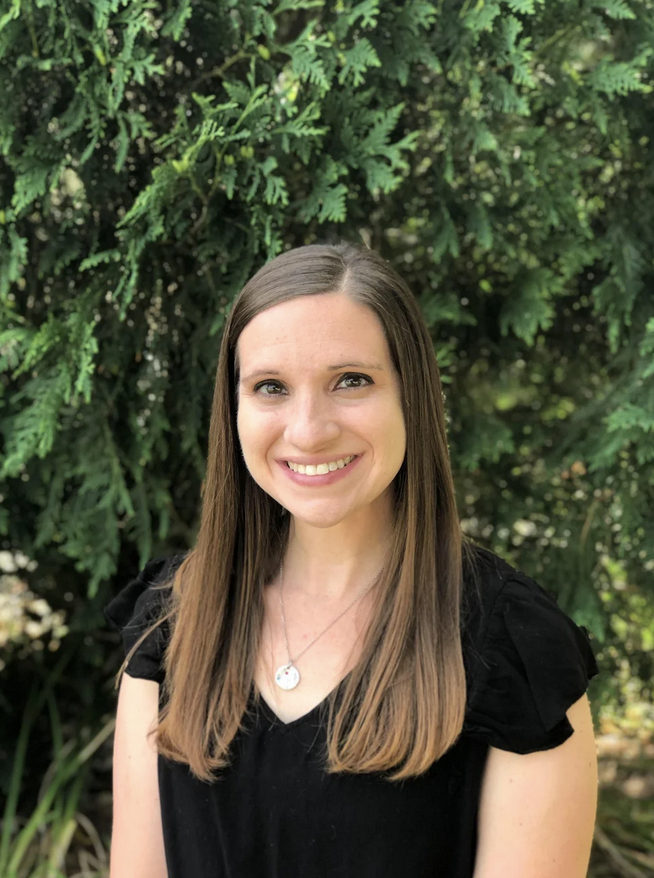
Annie. Photo Courtesy of Atlas Youth Outreach.
|

Jeff. Photo Courtesy of Atlas Youth Outreach.
|
How the community can help
Atlas Youth Outreach is asking the community to be part of what it is building.
Families have already helped by donating snacks, fidgets, art supplies, hygiene items, and other materials that support teens in the space.
Volunteers can help at events, fundraisers, and teen programming. Some volunteer roles may include helping with raffle tickets, setting up events, serving as extra adult support, or helping supervise larger teen activities.
Atlas is also looking for people who may be interested in serving on its board, especially those with skills in areas like bookkeeping, fundraising, nonprofit operations, business, or community partnerships.
Local businesses can also sponsor fundraisers or teen events. Elden said businesses can help cover costs for activities, snacks, skating, raffle items, or entire events. Sponsors can be recognized through Atlas materials, social media, registration pages, and event signage.
Annie said that kind of support helps keep the work going.
“We can’t keep the doors open and the lights on if we don’t have that funding coming in,” she said.
Upcoming opportunities include Trivia Night on May 9, a golf tournament on October 3, and a teen-only trunk-or-treat on October 9.
Atlas also maintains an Amazon wish list for needed supplies, including snacks and art materials.
Building a better future for Jefferson County teens
Near the end of the interview, Annie and Jeff were asked what they would say directly to the community about why this work matters.
Annie's answer was simple.
“Because our teens matter,” she said.
Jeff said the work matters because teenagers are not an abstract idea of the future. They are the people who will one day inherit the community adults are shaping now.
“Our kids literally are the future,” Jeff said.
Annie said Atlas is increasingly focused on helping teens think through deeper questions like worth, confidence, awareness, and identity.
Those are not always easy conversations. They are not always clear cut. But they are the kinds of conversations that can help teenagers enter adulthood with stronger tools than many adults had themselves.
For Atlas Youth Outreach, that is the point.
To create a space where teens can be seen.
To create a space where they can belong.
To create a space where they can walk through the door and hear, in words or in feeling, that they matter.
As Annie put it, “We’re here. We want to be here. We want the community to know we’re here.”
And Atlas wants the community to be part of it.
Support Atlas Youth Outreach
Atlas Youth Outreach is working to create a welcoming, supportive space for teens in Jefferson County, and there are several ways families, students, volunteers, and community members can get involved.
Families and teens can learn more about Atlas programs by visiting Navigate, Connect, or the Group Descriptions page.
Community members who want to help lead or advise the organization can apply to join the Board of Directors or join the Teen Advisory Board.
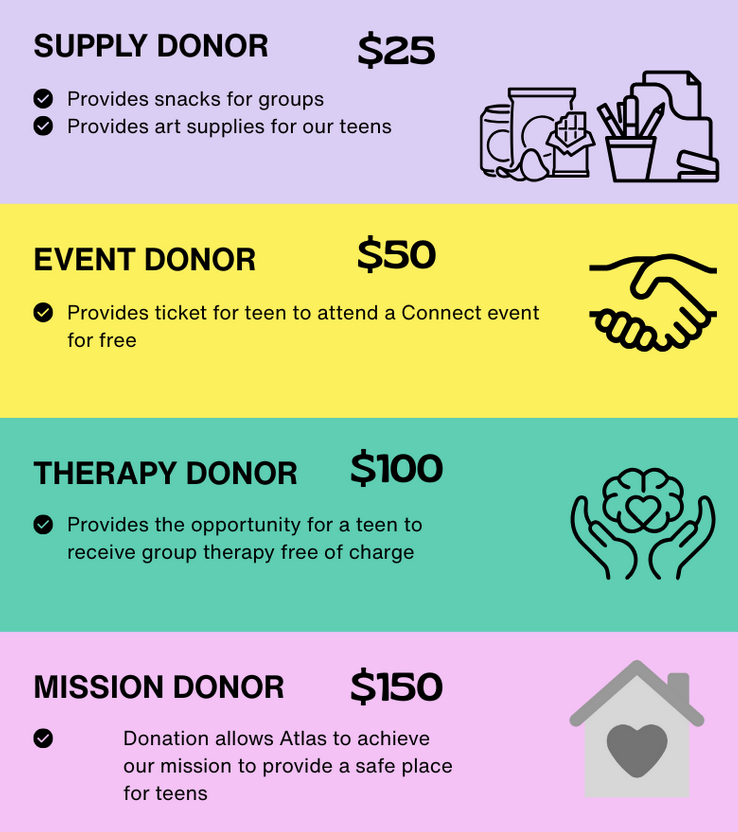
Those who want to support the mission financially can make a donation. Supporters can also help by purchasing items from the Amazon Wish List or by shopping Atlas merchandise to help spread awareness.
Looking for a simple, hands-on way to support their work? You can make a big impact by donating in-kind items that help Atlas serve the community every day. From snacks and art supplies to classroom materials and hygiene products, every item helps create a more welcoming, supportive space.
To schedule a time to drop off supplies, email [email protected].
Atlas Youth Outreach
Office: 1515 Astra Way, Arnold, MO 63010
Phone: 314-550-7846
Email: [email protected]
Follow Atlas Youth Outreach on Facebook, Instagram, TikTok, Snapchat, and YouTube.
Upcoming Atlas Youth Outreach Events
4th Annual Atlas Youth Outreach Golf Tournament
Date: Saturday, October 3, 2026
More Information: Golf Tournament Details
Stay Connected to Jefferson County
Stories like this are why The Jefferson Review exists: to spotlight the people, organizations, businesses, and local efforts shaping life across Jefferson County.
Subscribe to The Jefferson Review to get local stories, community events, government updates, business features, and hometown news delivered straight to your inbox.